Editorial guide
Types of Ramen in Japan: 10 Styles and How to Order
A practical introduction using bowls I’ve actually eaten
Eating ramen in Japan is usually pretty straightforward.
You walk in, order, eat, and leave.
But if it is your first time at a ramen shop in Japan, there are a few things that can be confusing.
Some shops have ticket machines at the entrance. Some ask how firm you want your noodles. Iekei shops may ask about the strength of the seasoning and the amount of oil. At some Jiro-style shops, even a question as simple as “Garlic?” comes with its own style of ordering.
The types of ramen can also be surprisingly confusing.
Shoyu, tonkotsu, Iekei, Jiro-style, tsukemen...
These names do not all describe ramen in the same way. Some refer to seasoning, some to the soup, some to a particular lineage or style, and some to how the noodles are served.
Since 2019, I have recorded more than 400 bowls of ramen and other noodle dishes I have eaten around Japan on MENTECHO.
So rather than only explaining ramen in general terms, this guide uses my own dining records, photos, and videos to show what these styles actually look like and what you can expect when you order them.
This is not a ranking.
Think of it as a practical introduction to help you decide what kind of ramen you might want to try next in Japan.
Table of Contents
How do you order ramen in Japan?
At most ramen shops, you do not need any special knowledge.
Many shops use a ticket machine near the entrance, where you pay and select your ramen before taking a seat. [1]
The basic flow is often:
Arrive → buy a meal ticket → hand over the ticket → receive your ramen → eat
At the machine, you usually insert your money first and then press the button for the ramen you want. Toppings such as an egg or extra chashu may have separate buttons.

There is one important exception when a shop has a queue.
At some shops, you buy your ticket before joining the line. At others, you line up first and buy your ticket later.
The safest approach is to follow the instructions posted at the shop.
Many newer machines include photos or English. If everything is in Japanese, a camera translation app on your phone can also help.
Do you have to slurp ramen?
No.
Slurping noodles is not considered rude in Japan, but you do not have to do it. [2]
You also do not need to finish all of the soup. [2]
At a small, busy ramen shop with people waiting, something as simple as not lingering at the counter after you finish is more important than trying to memorize special ramen etiquette. [1]
10 types of ramen at a glance
Ramen categories are a little unusual because they do not all describe the same thing.
Shoyu, shio, and miso mainly describe the seasoning.
Tonkotsu refers to the pork-bone soup.
Iekei and Jiro-style describe styles that grew out of particular shops and their influence.
Tsukemen describes how the noodles are served.
Many bowls also belong to more than one category. Gyokai tonkotsu, or seafood-and-pork-bone soup, is one common example: it combines a tonkotsu base with seafood ingredients such as niboshi, bonito, or other dried fish.
So the 10 categories below are practical signposts, not mutually exclusive boxes. Broth, seasoning, regional tradition, shop lineage, and serving method can overlap in a single bowl.
Shoyu, shio, and miso are commonly distinguished by seasoning, while tonkotsu is defined by its pork-bone soup; seasoning and stock bases can still be mixed and matched across regions and shops. [1]
For this guide, I have grouped ramen into 10 practical categories that are useful when choosing what to eat in Japan.
| Type | Characteristics | Ordering Difficulty |
|---|---|---|
| Shoyu / Chuka soba | Soy sauce-based; a very broad category | |
| Shio | Salt-seasoned; often lets the broth stand out | |
| Miso | Rich miso seasoning; especially associated with Sapporo | |
| Tonkotsu | Pork-bone soup; Hakata ramen is a famous example | |
| Seafood / Niboshi | Shellfish, bonito, sea bream, dried sardines and more | |
| Chicken paitan | Cloudy, often rich chicken broth | |
| Iekei | Yokohama-born pork-bone shoyu style with customizable preferences | |
| Tsukemen | Noodles served separately from dipping broth | |
| Mazesoba / Abura soba | Little or no soup; noodles are mixed with sauce and toppings | |
| Jiro-style | Thick noodles, large portions, free toppings and distinctive ordering |
What does Ordering Difficulty mean?
This is not a rating of how good the ramen tastes.
- ★☆☆☆☆: Ordering is usually straightforward
- ★★☆☆☆: There may be something useful to know, such as kaedama
- ★★★☆☆: You may be asked to customize part of your order
- ★★★★★: A first-time visitor may want to check the shop’s ordering system beforehand
It is simply a rough guide to how unfamiliar the ordering process may feel to someone visiting for the first time.
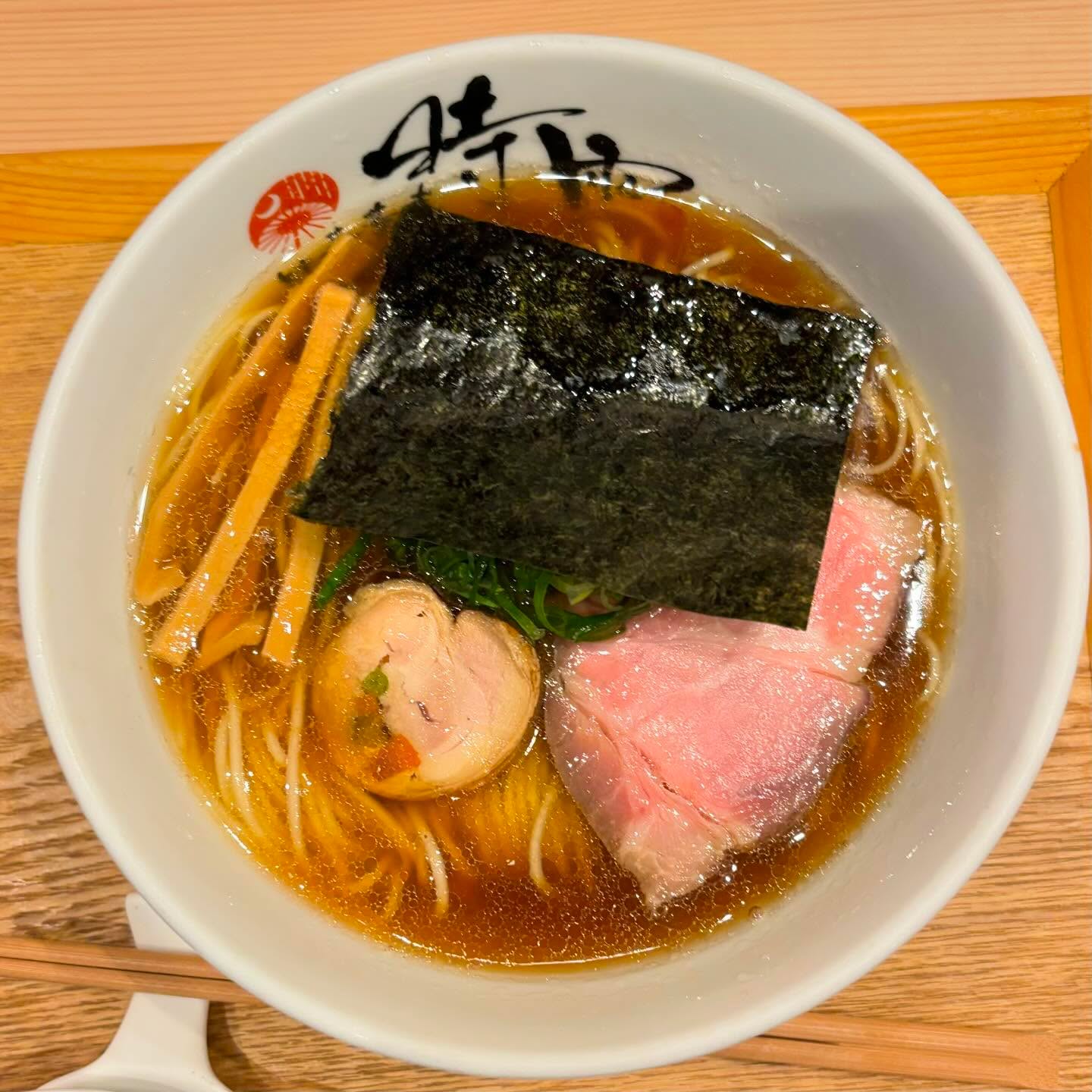
Shoyu ramen and chuka soba — “soy sauce ramen” can mean very different things
Ordering Difficulty:
Shoyu ramen is one of the easiest styles to picture when people think of classic Japanese ramen.
In everyday Japanese use, ramen and chuka soba usually refer to the same broad kind of noodle dish. Chuka soba is an older name that many shops still use.
Some bowls look very traditional: brown broth, chashu, menma, and green onions.
Others use chicken, seafood, or other elements to create a much more contemporary bowl.
Two shoyu bowls I have eaten show how much variation can exist within the category.
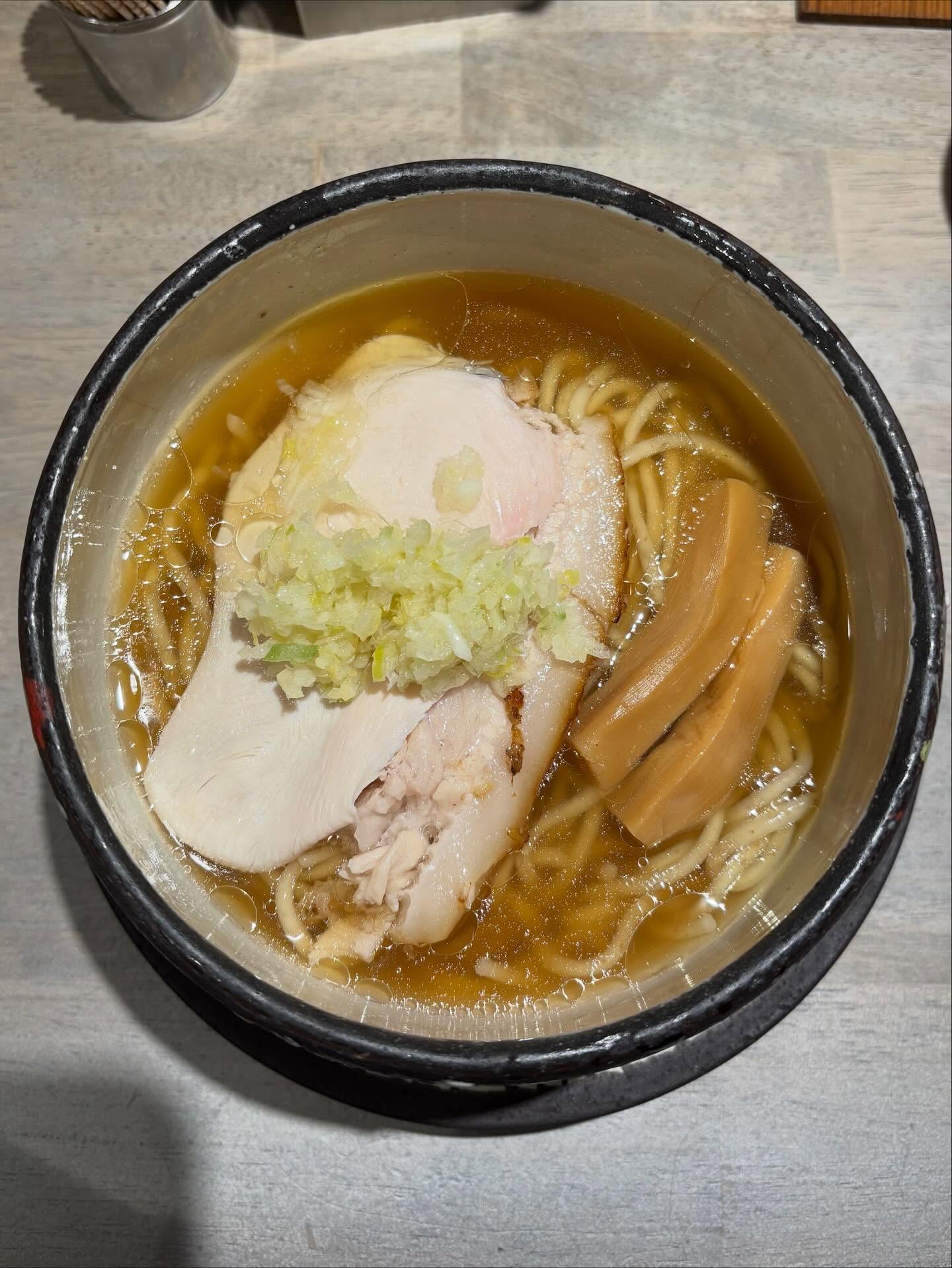
The Chuka Soba at Chuka Soba Shigure Isezakichojamachi Honten is built on a chicken-and-shoyu soup.
By contrast, macro Sawada combines shellfish dashi with shoyu, giving it a distinctly shellfish-led character rather than the chicken-led character of Shigure’s bowl.
Both are shoyu ramen, but their chicken and shellfish soup bases give them clearly different characters. They are a useful reminder that shoyu identifies the seasoning, not one fixed flavor or presentation.
Shio ramen — pale soup does not necessarily mean mild flavor
Ordering Difficulty:
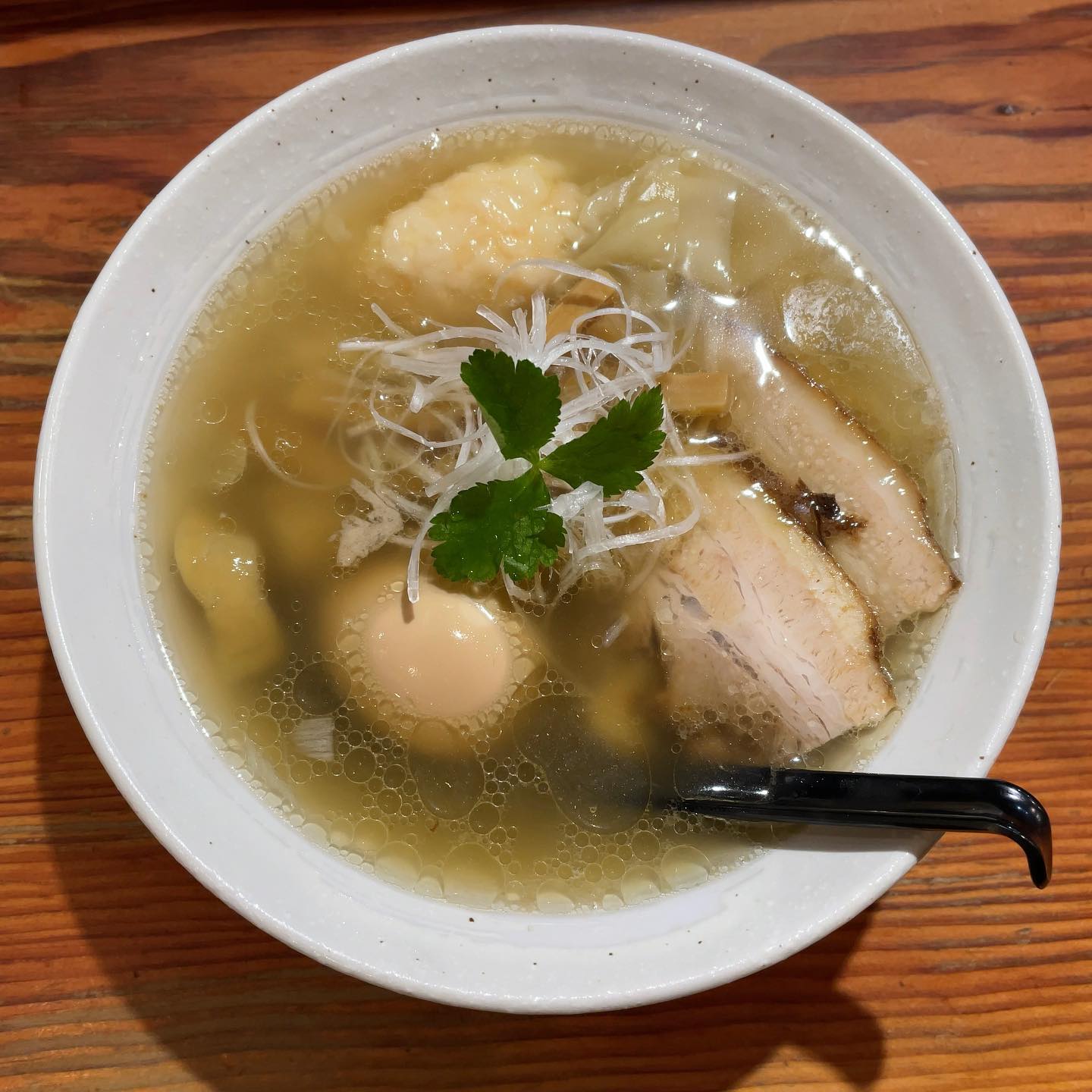
Shio ramen is seasoned with a salt-based tare.
Many bowls have a clear or lightly colored soup, which can make the character of the chicken, seafood, or other broth ingredients easier to notice.
But a pale-looking soup does not necessarily mean the flavor itself is light.
One example I have eaten is the Shio Soba at Motenashi Kuroki in Asakusabashi, Tokyo.
Its clear broth is a useful example of how shio ramen can put the character of the soup and dashi front and center.
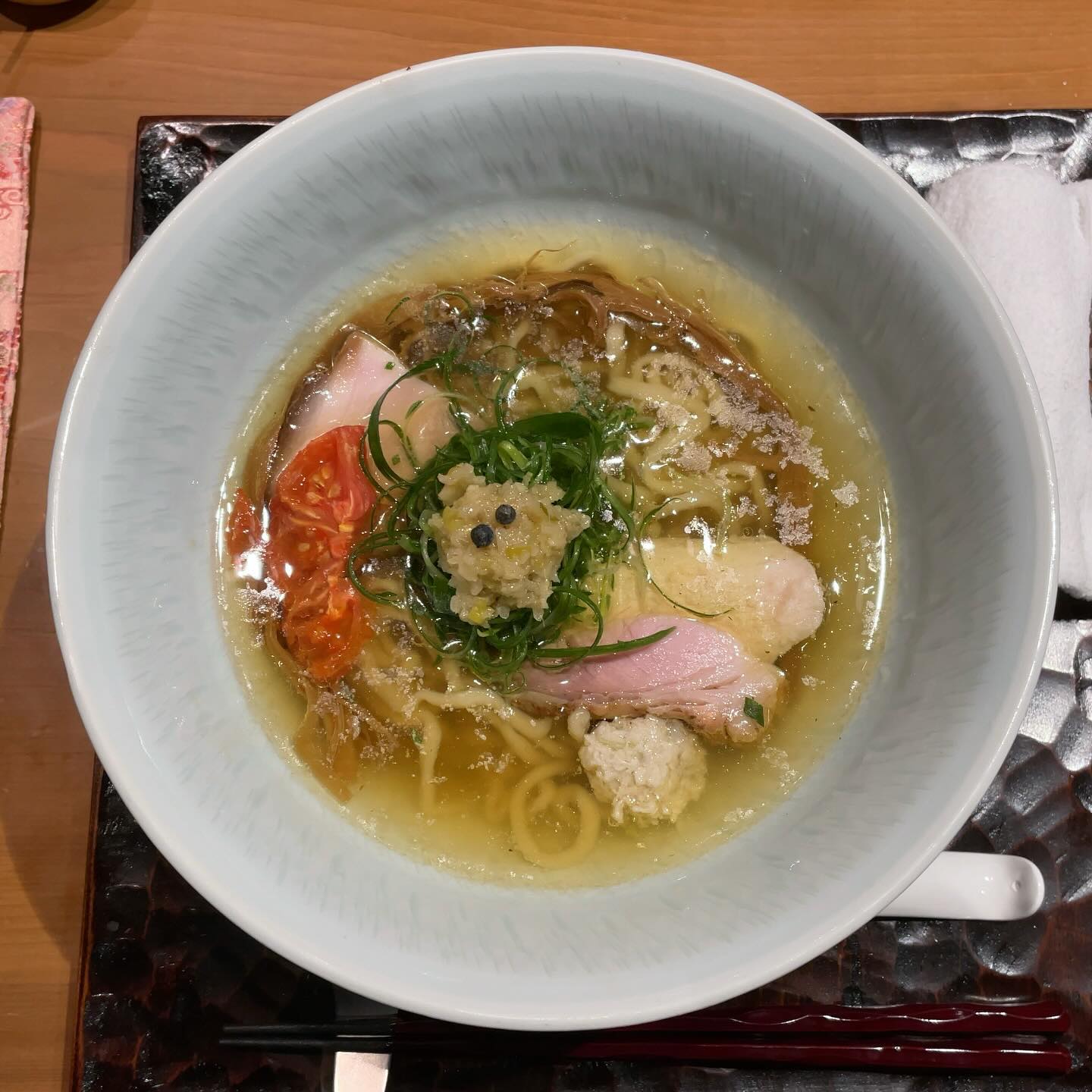
Another is the Special Shio Ramen at Juntemuchi Men to Mirai. Its handmade noodles and presentation make it visually distinct from the bowl at Kuroki.
Placed side by side, the two bowls show how shio ramen can vary with the broth, noodles, and toppings even though both use salt-based seasoning.
Miso ramen — regional styles can look very different
Ordering Difficulty:
Miso is used as the main seasoning in this style of ramen.
Miso ramen includes many styles, and some are closely connected to particular regions of Japan.
Sapporo in Hokkaido is especially associated with miso ramen and has both long-established and contemporary interpretations of the style. [10]
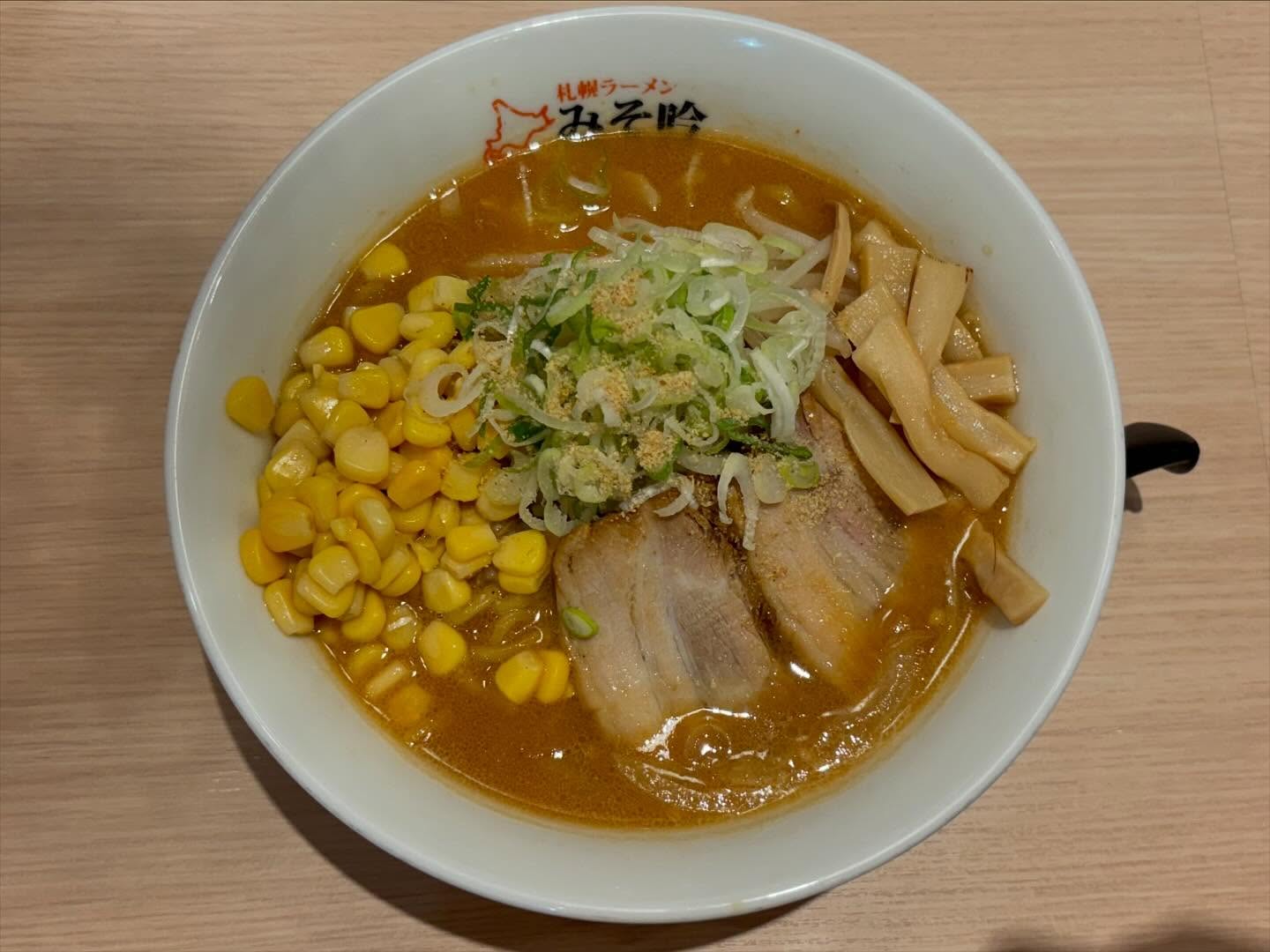
I ate a Sapporo example at Misogin Sapporo Honten.
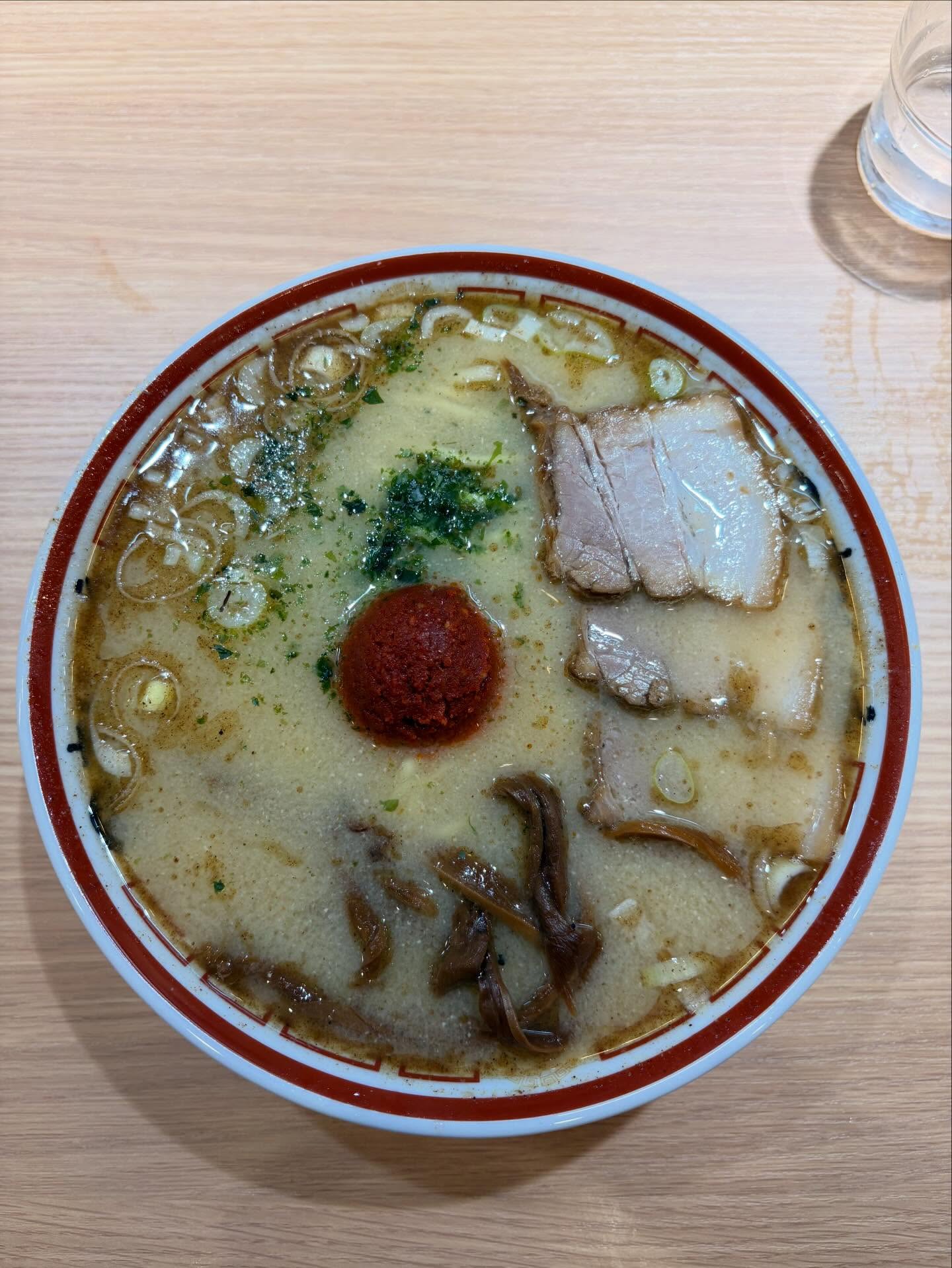
Yamagata has its own regional ramen traditions. The official Yamagata tourism guide describes the Okitama area’s spicy miso ramen as a miso-based soup with medium-thick curly noodles and a mound of chili-seasoned miso. [11]
In Tokyo, I tried this regional style as Yamagata Karamiso at Chuka Soba Senmon Tanaka Sobaten Hibiya City-ten.
Putting the Sapporo and Yamagata-style bowls side by side shows how regional traditions can produce ramen that differs in both appearance and flavor even when both bowls are categorized as miso ramen.
Tonkotsu ramen — Hakata ramen is one of the best-known examples
Ordering Difficulty:
Tonkotsu ramen uses a broth made by cooking pork bones.
Pork-bone ramen is strongly associated with Kyushu, and Hakata ramen from Fukuoka is one of its most famous styles. [1]
Hakata ramen is especially known for its thin, straight noodles and pork-bone broth. [3]
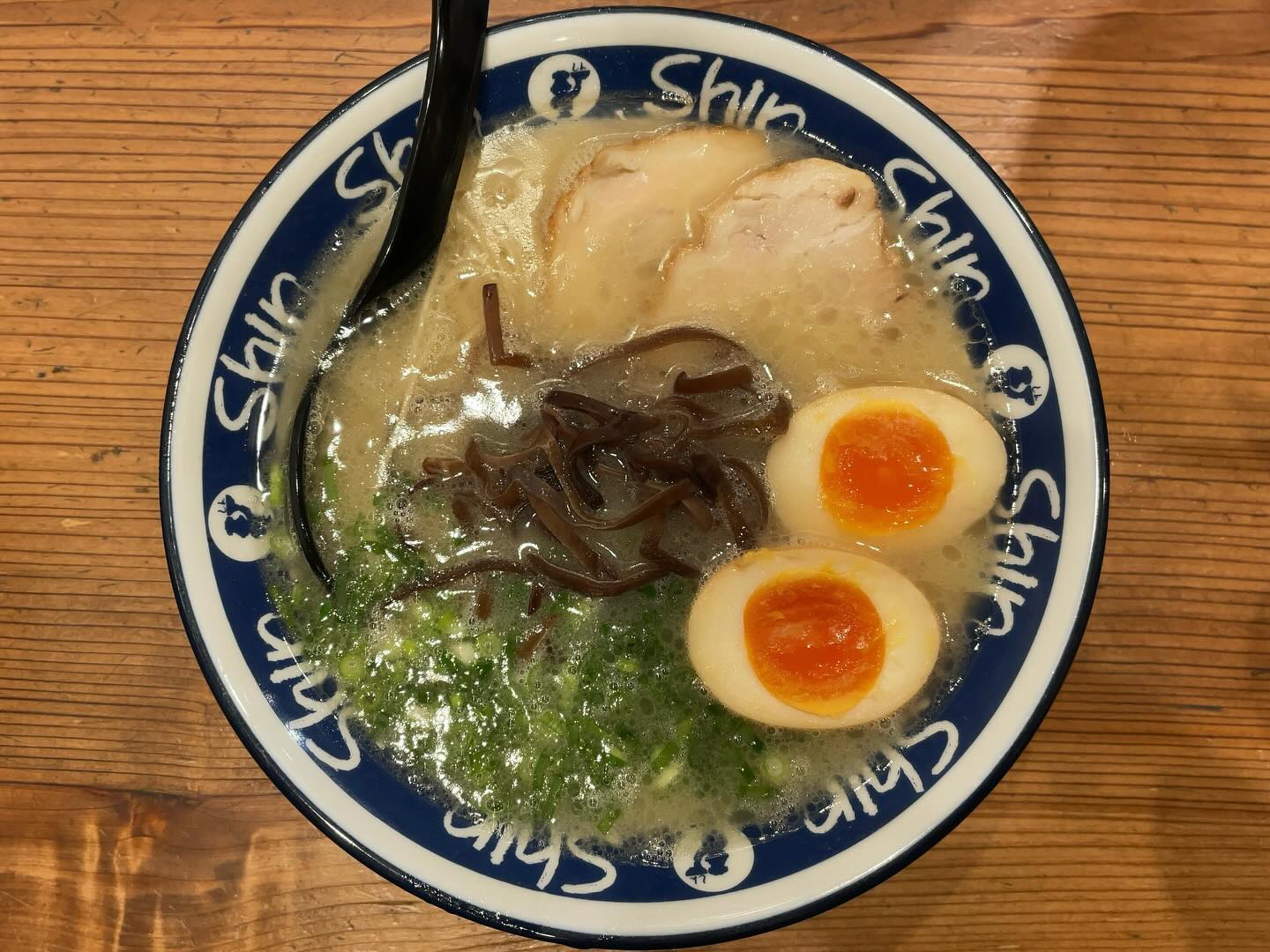
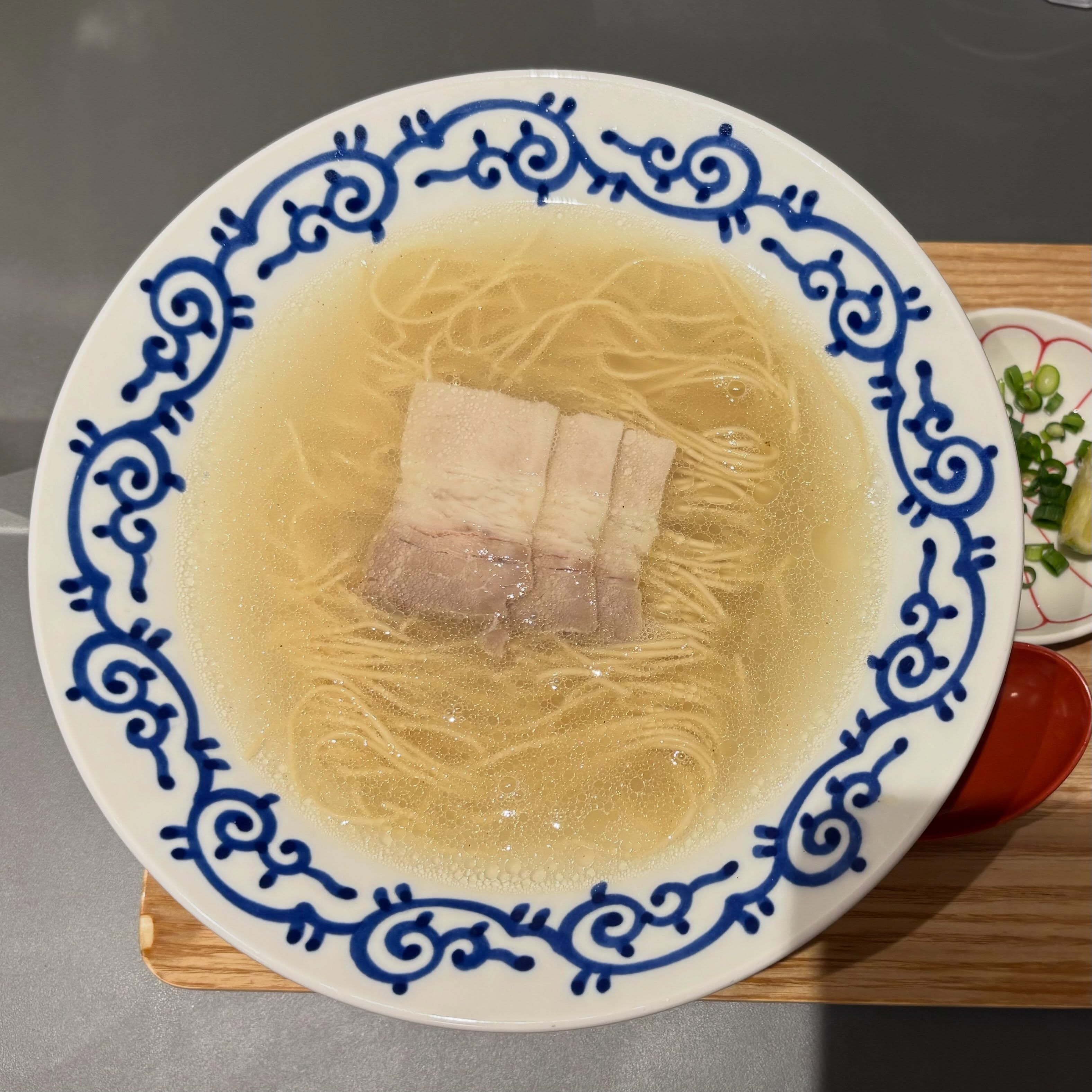
I have also eaten Hakata ShinShin Ramen at Hakata Ramen ShinShin Tenjin Main Store in Fukuoka.
Another example is the Buta Soba at Buta Soba Tsuki ya Kitashinchi-ten. Its pale, relatively clear broth and sliced pork make it visibly different from the creamy-looking Hakata bowl at ShinShin.
The comparison is also a useful reminder that tonkotsu describes a pork-bone broth, not one fixed color, thickness, or presentation.
What is kaedama?
One useful word to know with Hakata ramen is kaedama (替え玉).
It does not mean ordering another full bowl of ramen.
Instead, you keep the soup in your current bowl and order another serving of noodles to add to it. [4]
If you think you might order kaedama, leave some soup in the bowl while eating your first serving of noodles.
And one important distinction:
Tonkotsu ramen does not automatically mean Hakata ramen.
Many other regional and restaurant-specific styles also use pork-bone broth.
Seafood and niboshi ramen — seafood broth can mean many different things
Ordering Difficulty:
“Seafood ramen” can refer to a wide range of ingredients.
The soup may feature, for example:
- shellfish
- bonito
- sea bream
- niboshi, or dried sardines
Seafood is also often combined with chicken, pork, or other animal-based broths, so the word “seafood” alone does not tell you exactly what a bowl will taste like.
Within this broad world of seafood ramen, niboshi ramen is especially common and recognizable in Japan.
Niboshi can bring a distinct dried-fish aroma and umami to the soup.
Some bowls are relatively clean and restrained, while others push the character of niboshi much more aggressively.
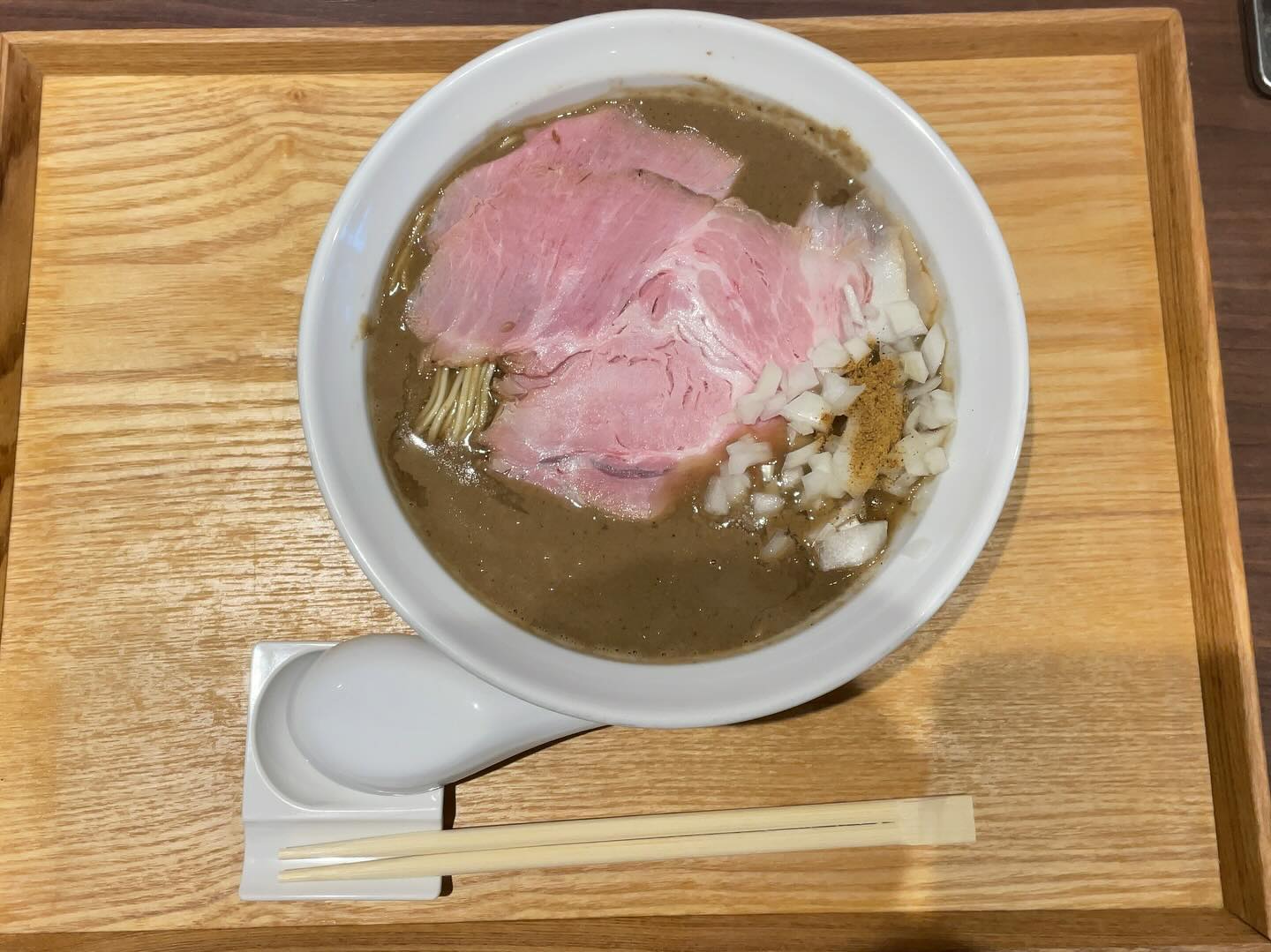
One example I have eaten is NIBOSHIMANIA in Kamata, Tokyo.
As the name suggests, niboshi is the focus.
It is a useful example of how one specific seafood ingredient can become the identity of an entire style of ramen.
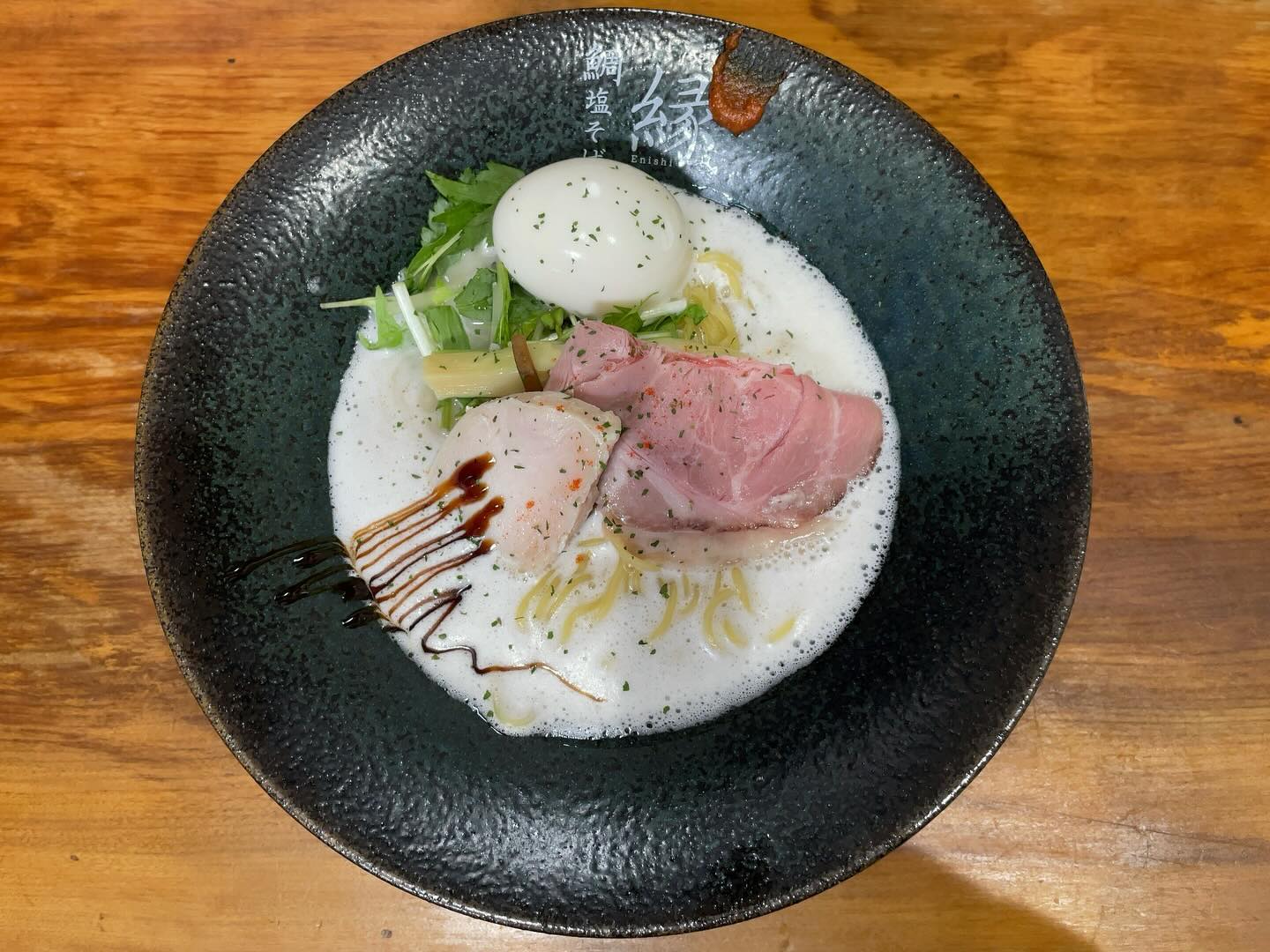
A very different example is the Rich Sea Bream Shio Soba at Taishio Soba Enishi. Its soup brings the flavor of sea bream clearly to the front while also carrying a note reminiscent of a Western-style soup, and it is paired with pleasantly springy ramen noodles. Placing it beside NIBOSHIMANIA shows how widely seafood ramen can vary in both flavor and noodle pairing.
Chicken paitan — a cloudy, rich chicken broth
Ordering Difficulty:
Chicken paitan is made by cooking chicken into a cloudy broth.
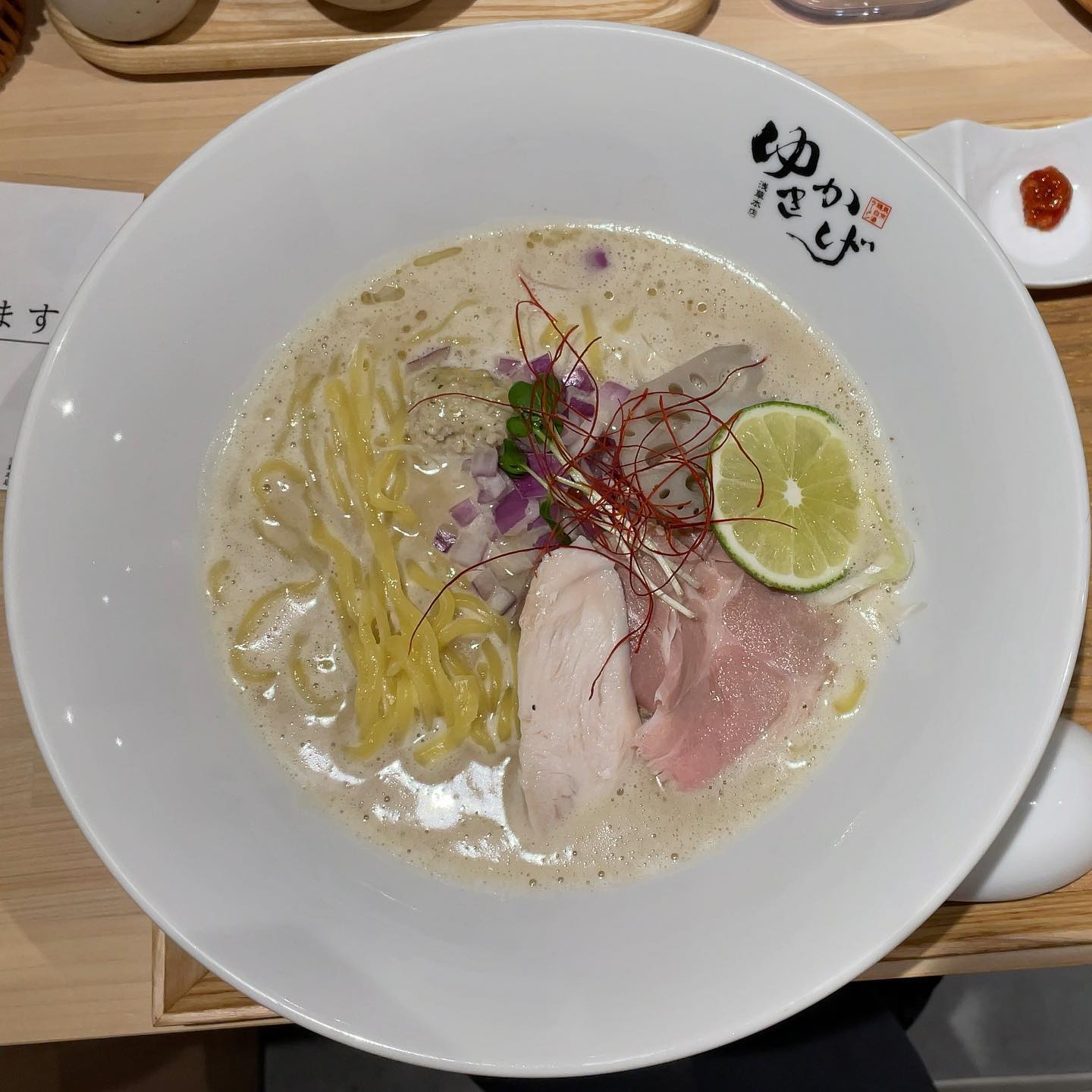
Many versions are rich and creamy, and at first glance the pale, opaque soup can sometimes look similar to tonkotsu.
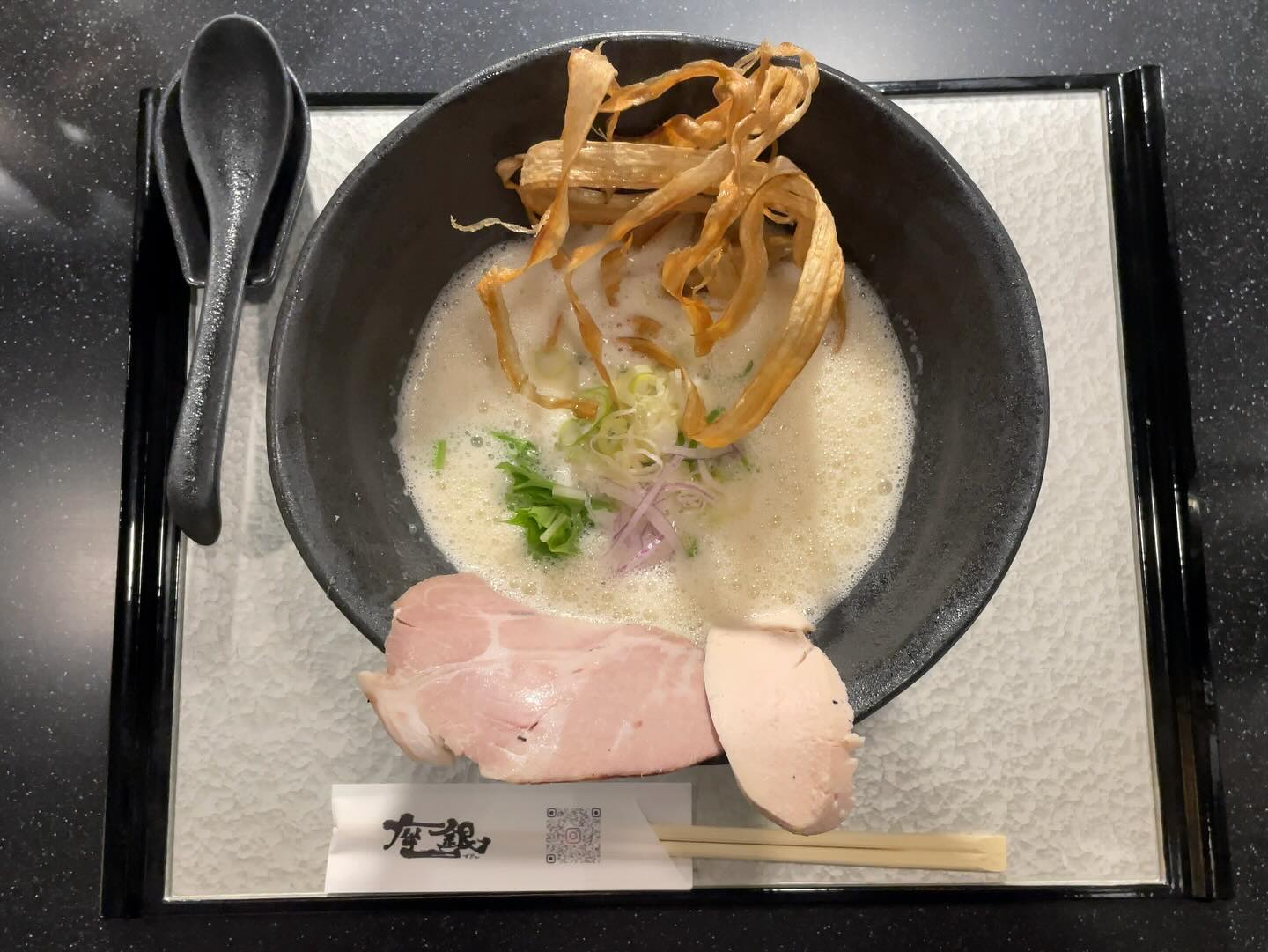
One example I have eaten is the Tori Soba at Tori Soba Zagin Kagurazaka in Kagurazaka, Tokyo.
The soup may resemble tonkotsu visually, but chicken is at the center of the bowl.
It is a good reminder that two cloudy ramen soups can look similar while being built from very different ingredients.
I have also eaten the Chicken Potage-style Soba Noodles at Tokyo Tori Paitan Ramen Yukikage Asakusa Honten in Asakusa, Tokyo. The two examples show how shops can give their chicken paitan different colors and toppings.
Iekei ramen — if it is your first time, “everything normal” is fine
Ordering Difficulty:
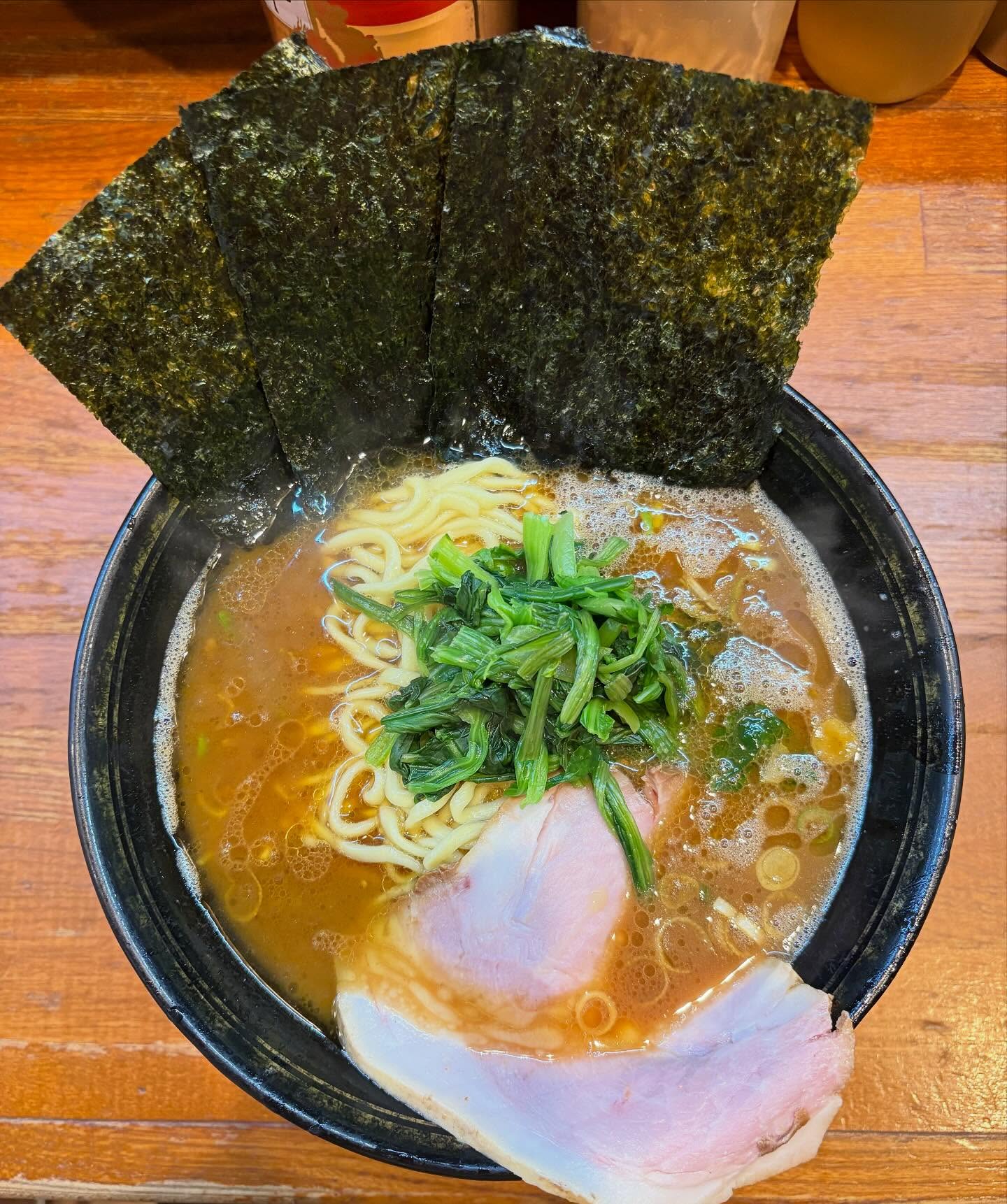
Iekei ramen originated in Yokohama.
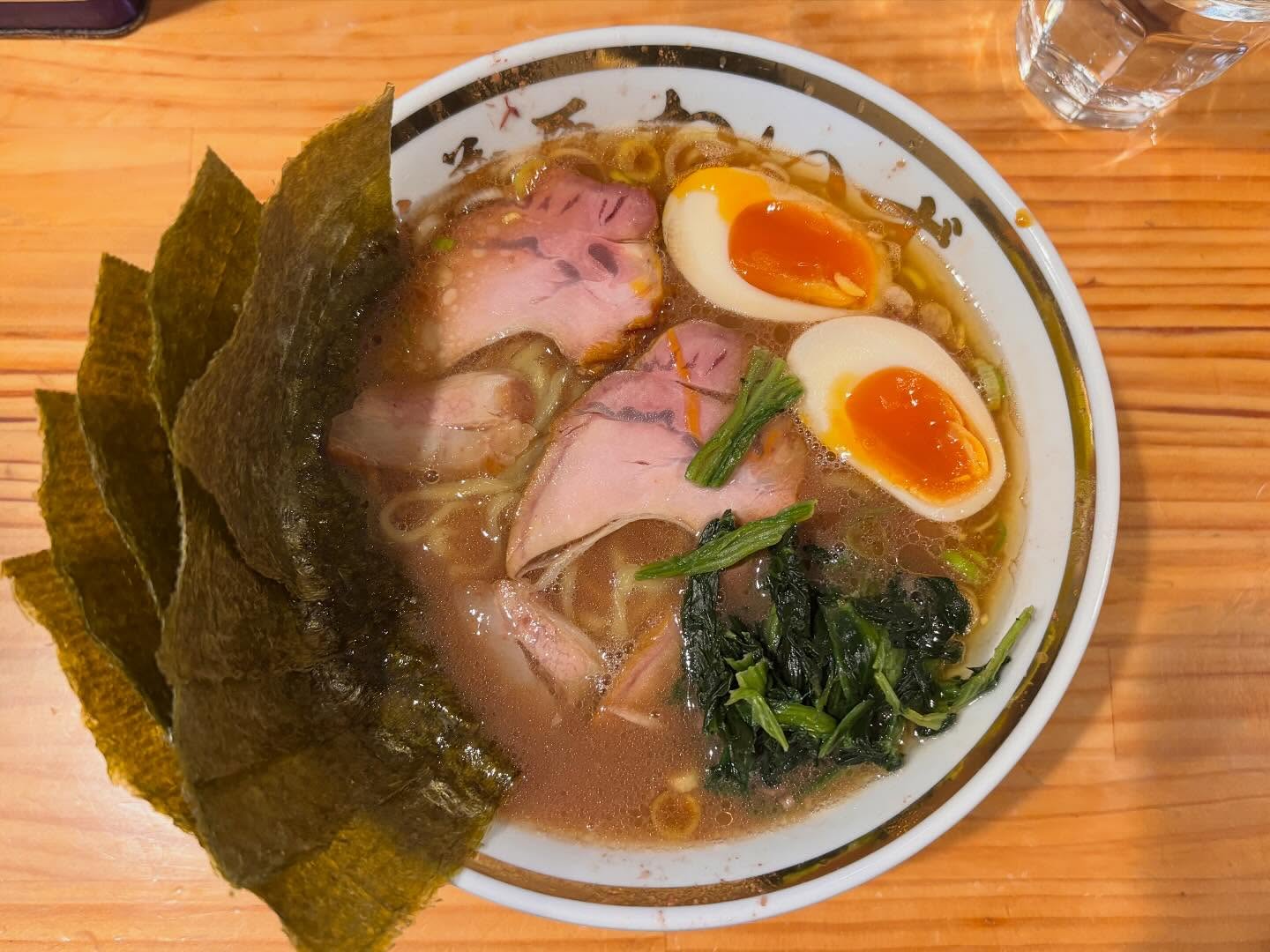
Typical features include thick, straight noodles, pork-bone shoyu soup, nori, and spinach. Yokohama’s official tourism site identifies Yoshimuraya as the birthplace of Iekei ramen. [5]
I have eaten Iekei ramen many times.
One example is a bowl I had at Suehiroya in Yokohama, with the nori and spinach that are strongly associated with the style.
Another is the Nori-Tama Ramen at Akihabara Ramen Waizu in Akihabara, Tokyo, where the sheets of nori and seasoned egg make the toppings especially easy to identify.
What will an Iekei shop ask you?
At many Iekei shops, you may be asked for your preferences when you hand over your meal ticket.
The three common choices are noodle firmness, flavor strength, and oil amount. The exact wording and available options vary by shop. [6]
| Preference | Japanese | Typical choices |
|---|---|---|
| Noodle firmness | 麺の硬さ | katame (firm) / futsuu (normal) / yawarakame (softer) |
| Flavor strength | 味の濃さ | koime (stronger) / futsuu (normal) / usume (lighter) |
| Oil amount | 油の量 | oome (more) / futsuu (normal) / sukuname (less) |
Trying the standard settings first also gives you a baseline. If you come back, you might decide to order the noodles firmer or ask for less oil next time.
Rice is also a common partner for Iekei ramen.
Some people soak the nori in the soup and eat it with rice, or add table condiments such as garlic partway through the meal.
Tsukemen — dip the noodles instead of pouring the soup over them
Ordering Difficulty:
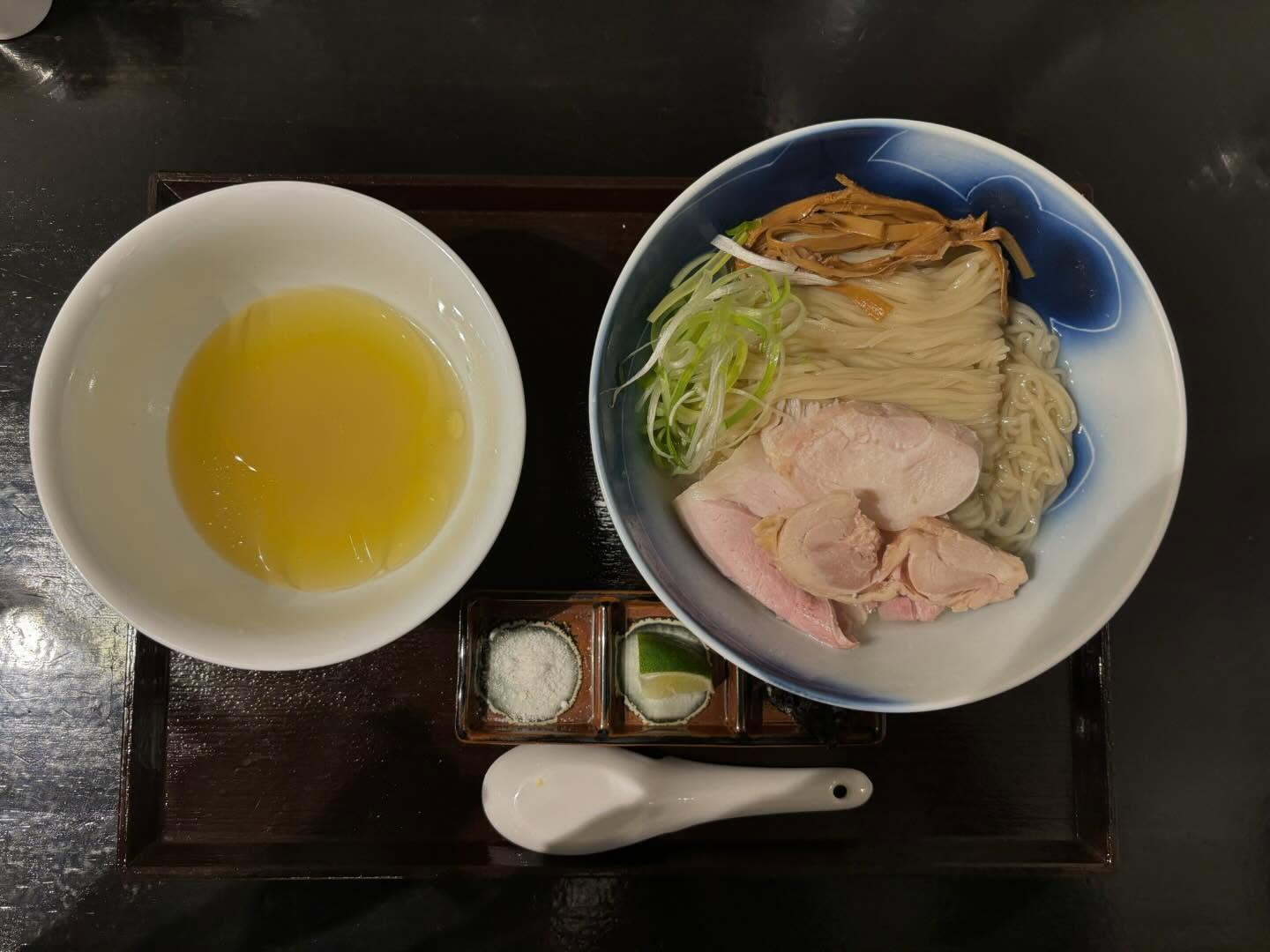
With tsukemen, the noodles and dipping broth arrive in separate bowls. [1]
The basic way to eat it is simple.
Take a small amount of noodles, dip them into the broth, and eat.
Do not pour the entire dipping broth over the noodles.
One example I have eaten is the Kombu Water Shio Tsukemen at KaneKitchen Noodles.
Along with the separate dipping broth, the noodles themselves sit in kombu water, making them a particularly important part of the experience.
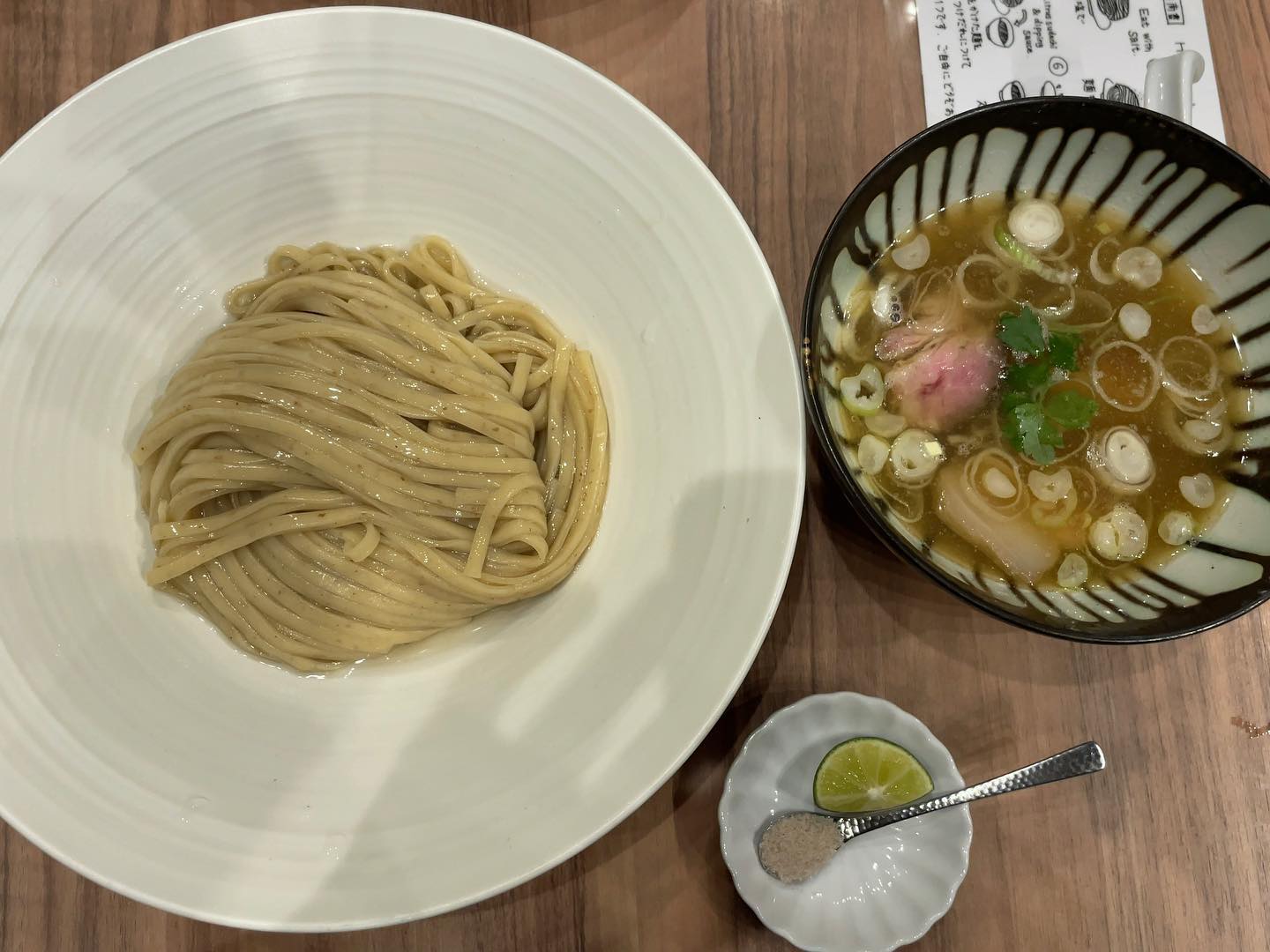
Tsukemen often places special emphasis on the noodles themselves. At Mendokoro Honda Akihabara in Akihabara, Tokyo, the shop recommended trying the noodles not only with the dipping broth, but also simply with salt or a squeeze of sudachi citrus, which makes it easier to focus on the noodles’ own flavor and texture.
What is soup-wari?
At some tsukemen shops, after finishing the noodles, you can ask for soup-wari (スープ割り).
Tsukemen dipping broth is concentrated so that it coats the noodles. Soup-wari adds a lighter dashi or another broth to the remaining dipping broth, bringing it to a more drinkable strength while adding another layer of aroma and flavor.
A light wafu wari broth can be added to the leftover dipping soup after the noodles are finished, diluting it so that it is easier to drink. [13]
How it is served varies by shop: staff may take your bowl and add the broth, or a pot may be available for you to pour it yourself. Not every shop offers soup-wari, so check the posted instructions or ask if you are unsure.
Mazesoba and abura soba — mix before you eat
Ordering Difficulty:
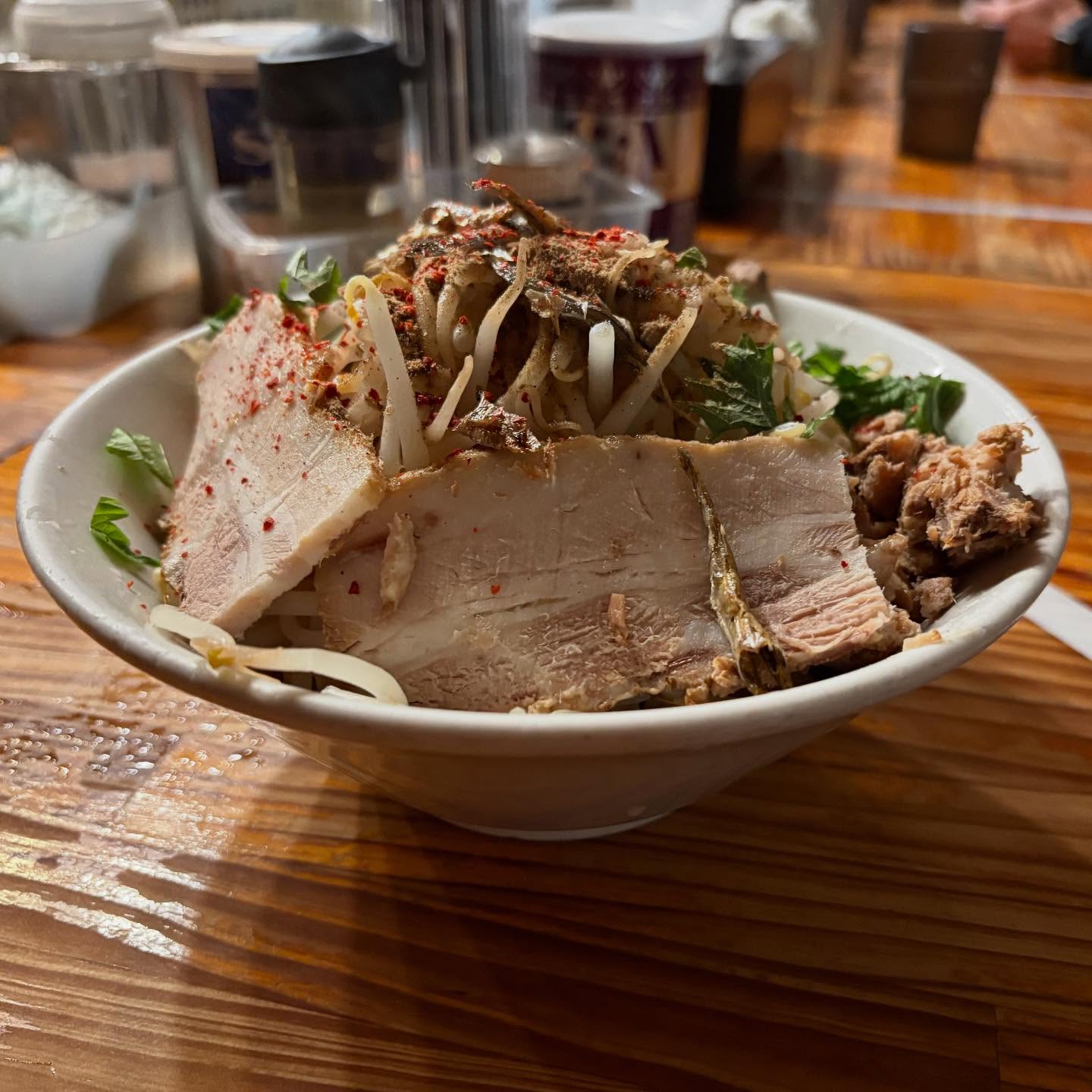
Mazesoba and abura soba do not come with a large bowl of soup like conventional ramen; mazesoba is commonly described as a type of soupless ramen. [1]
Mazesoba is the broad idea: noodles are mixed with sauce, oil, and toppings instead of sitting in a full bowl of soup. Abura soba is a closely related soupless style built around oil and tare at the bottom of the bowl. Taiwan mazesoba is a more strongly seasoned mazesoba style commonly topped with minced meat, chives, garlic, and egg. Despite its name, Taiwan mazesoba originated in Nagoya, Japan. [12]
The names overlap, and shops may use them differently, but these dishes are generally meant to be mixed thoroughly before eating.
The toppings arrive arranged over the noodles, but the dish is meant to be mixed so that the noodles, sauce, and toppings come together.
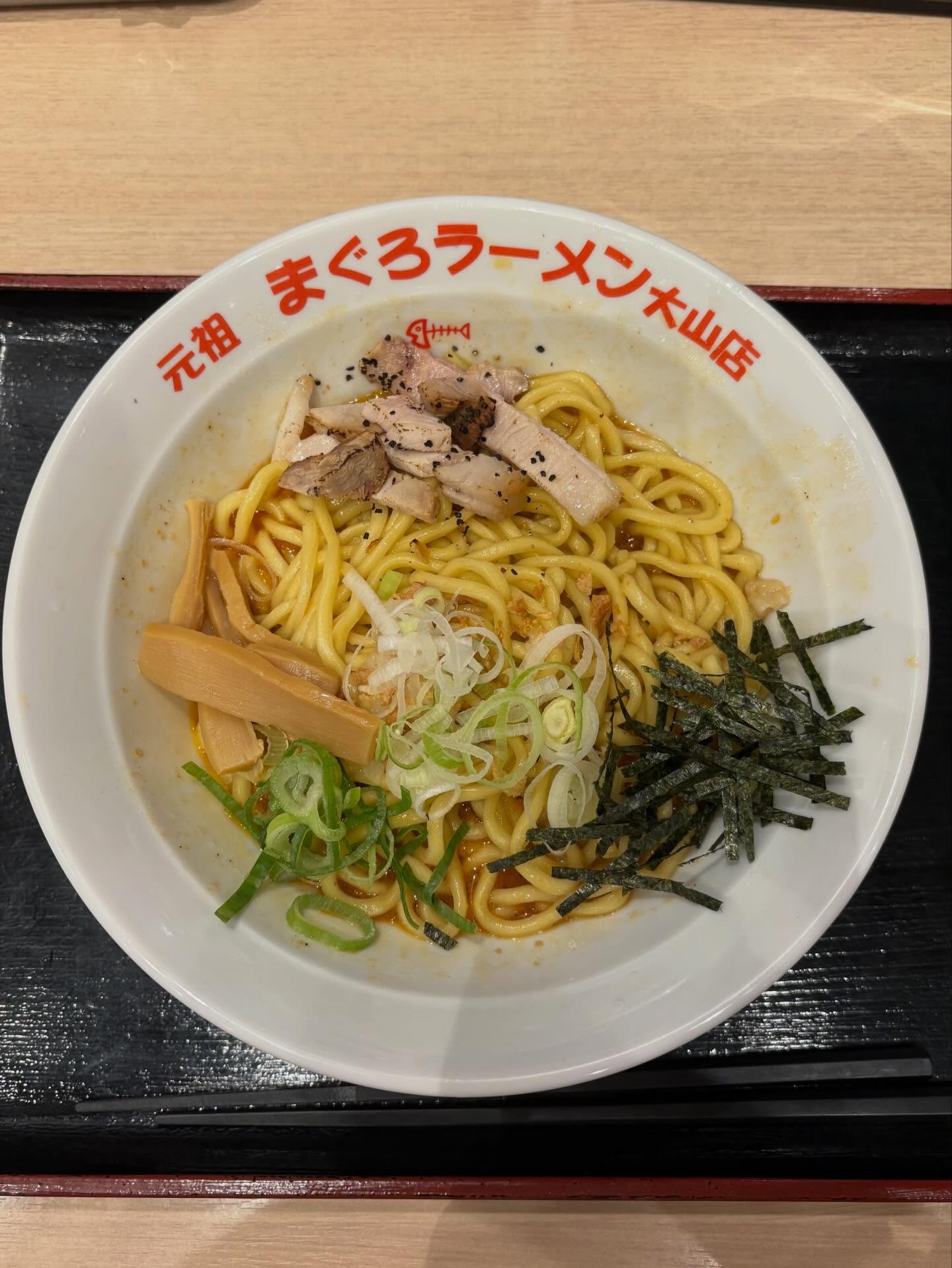
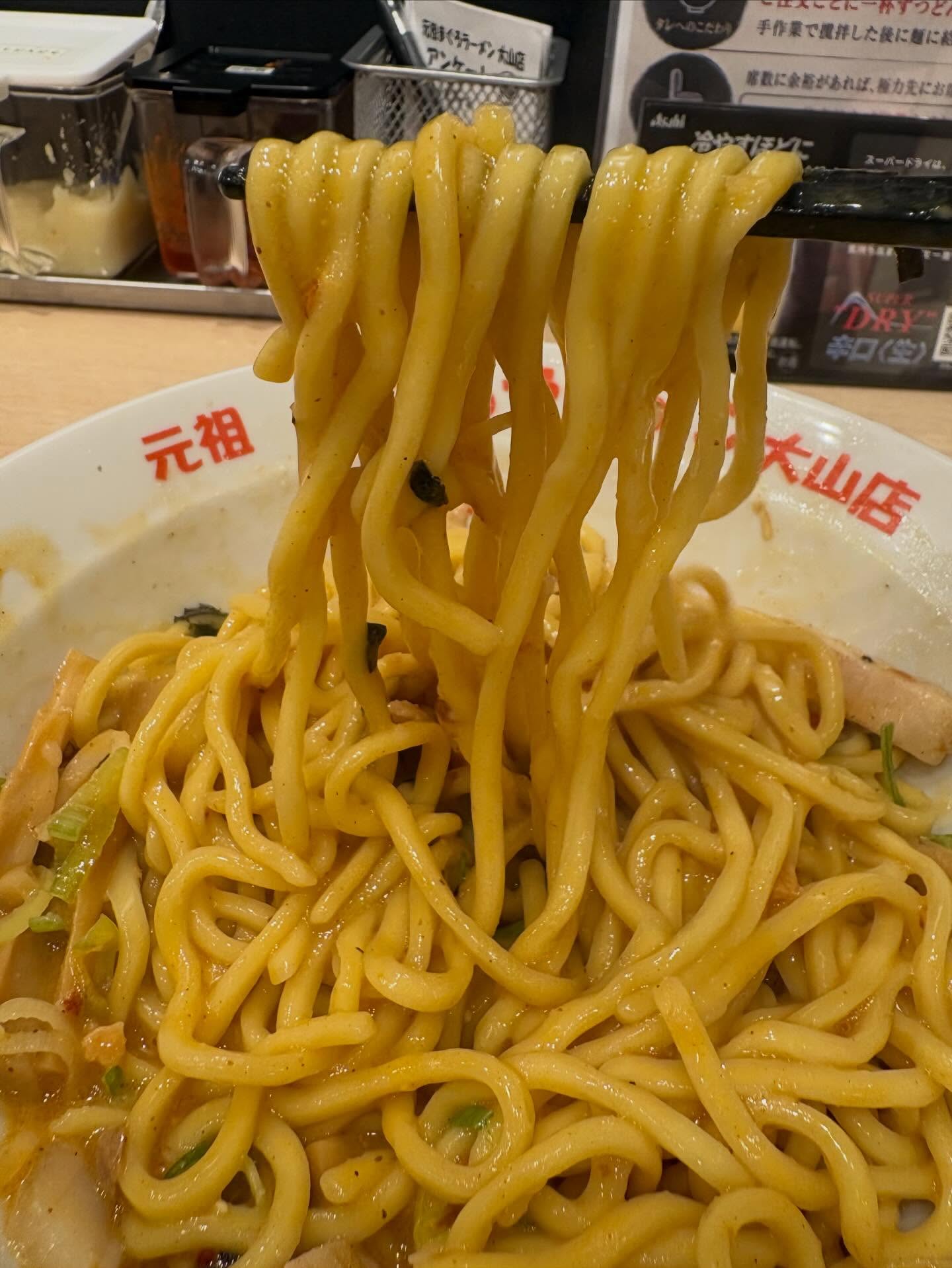
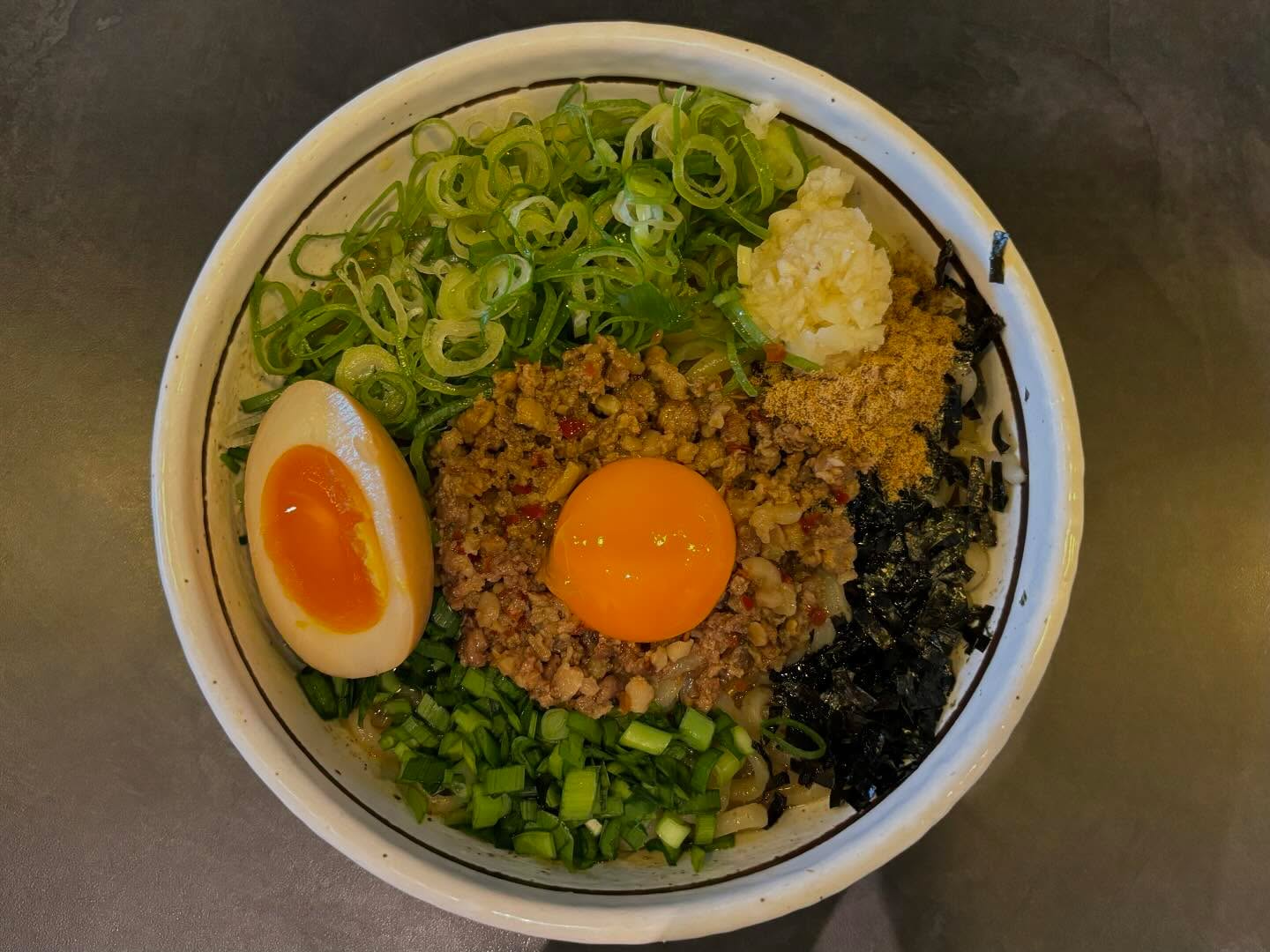
A relatively classic example is the "Kuromaru" Abura Soba at Ganso Maguro Ramen Oyama-ten in Oyama, Tokyo. I have also eaten the more heavily topped Taiwan-style Mazesoba at Menya Haruka Akihabara Honten in Akihabara, Tokyo. Together, they show the range covered by these closely related names.
Some shops also provide vinegar, chili oil, garlic, or other seasonings at the table.
You can start with the bowl as served and then change the flavor a little as you eat.
Jiro-style ramen — even the ordering system is part of the style
Ordering Difficulty:
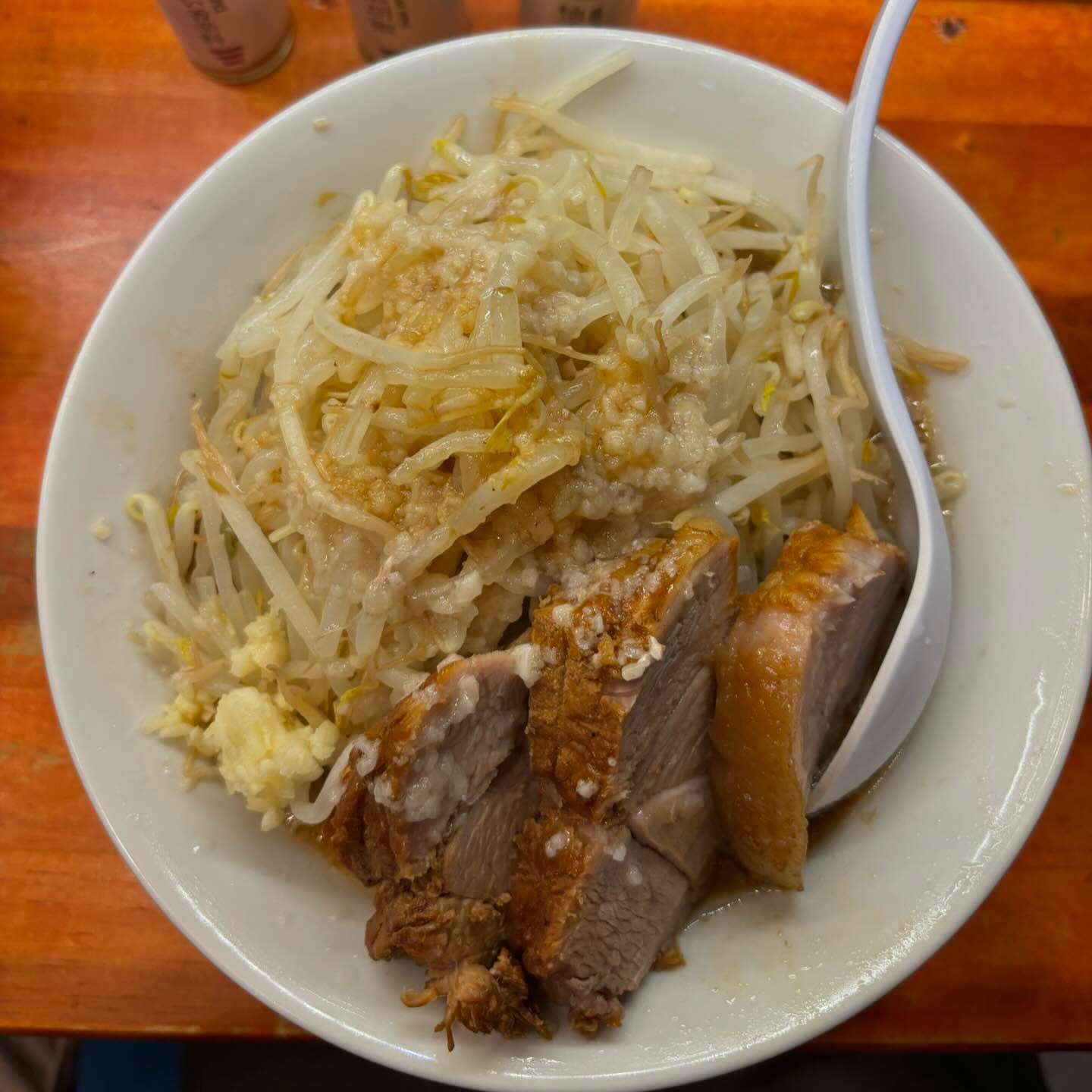
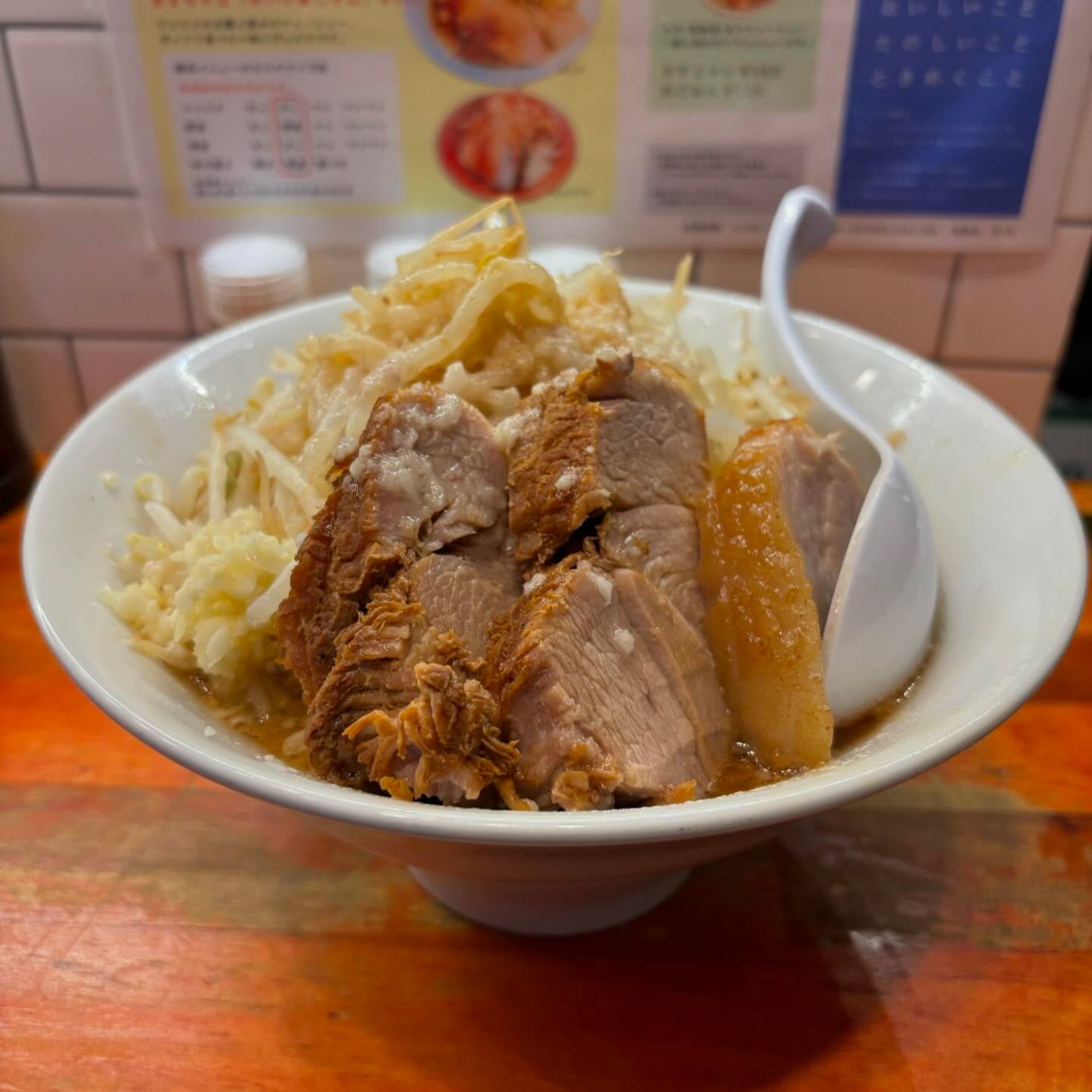
Jiro-style ramen is known for features such as thick noodles, large portions of vegetables, pork, garlic, and back fat.
What often confuses first-time visitors is the system for ordering free toppings.
Some Jiro-inspired ramen chains go so far as to publish a dedicated ordering guide explaining how customers can customize garlic, vegetables, back fat, and seasoning. The fact that a guide is useful at all shows how distinctive this ordering culture can be. [7]
How the topping call usually works
The exact timing, wording, and available toppings vary by shop, but a common pattern looks like this:
| Step | What happens | Useful words |
|---|---|---|
| 1 | Just before serving, staff asks about garlic or free toppings. | Ninniku iremasu ka? = Would you like garlic? |
| 2 | Reply with only the topping changes you want. | ninniku = garlic; yasai = vegetables; abura = back fat; karame = stronger seasoning |
| 3 | If you are unsure, follow that shop’s posted instructions rather than copying another shop’s call. | The available choices and how to say them vary by shop. |

The scale is even easier to see in my records from Katoya Nibojiro Minami-Kusatsu-ten and Ramen Sangenshoku. In these photos, piles of vegetables and thick slices of chashu cover so much of the bowl that the noodles and soup are barely visible.
One important thing to understand is that:
There is no single “magic phrase” that works at every Jiro-style ramen shop.
Portion sizes and ordering systems vary.
If you are visiting a shop for the first time, it is safer to check that shop’s own instructions than to memorize an ordering call you found somewhere else online.
Some Jiro-style bowls are also much larger than ordinary ramen.
You do not need to challenge yourself with the biggest size. If the shop offers a smaller portion or fewer noodles, choose the amount you are comfortable eating.
Chiikawa and Rou — when ordering ramen feels like something you need to study for
There is a fun example of Jiro-style ordering culture in Chiikawa, a Japanese manga and anime series.
The official English Chiikawa site uses the name Rou for the ramen shop that appears in the story. [8]
What makes the episode funny is not simply that Chiikawa and Hachiware are going out for ramen.
Chiikawa is nervous about going to Rou in the first place.
At an ordinary restaurant, you normally would not research how to place your order before visiting.
The same is true at many ordinary ramen shops.
But Rou has its own unfamiliar ordering conventions, so Chiikawa and Hachiware look up an online “strategy guide” before they go.
The “strategy guide”
When they finally reach Rou, they are asked whether they want garlic.
Now they have to put all that preparation into practice.
“Ninniku karame”
The story does not end with them being driven away or unable to eat. They eventually manage to order, and the sequence ends on a much lighter note.
So the point here is not that Jiro-style ramen shops are frightening.
The atmosphere and ordering system vary from shop to shop.
What is interesting is that the ordering culture is distinctive enough that “I should probably look this up before I go” can itself become a recognizable joke in a manga.
Two useful words from this style of ramen
- ninniku (ニンニク) = garlic
- karame (カラメ) = additional tare or seasoning used to make the flavor stronger; the exact meaning and ordering method vary by shop
Chiikawa Ramen Buta has appeared in real life too
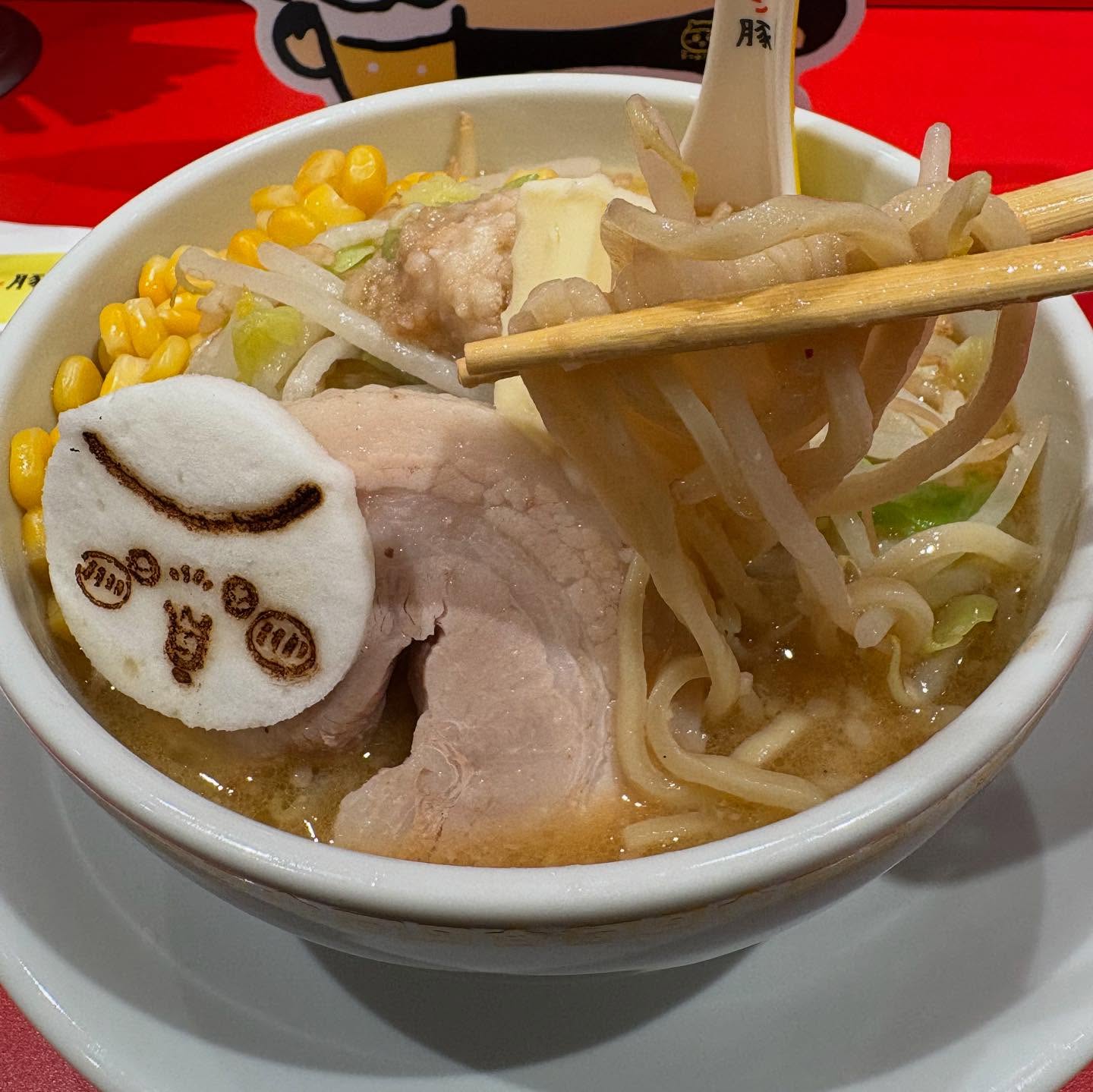
Chiikawa Ramen Buta has also appeared in real life as a series of limited-run ramen shops inspired by Rou. Locations and operating periods can change, so check the official site before planning a visit. [9]
The official menu includes customization for garlic, vegetables, back fat, and karame. [9]
I have eaten at the Nagoya location and the Shibuya, Tokyo location myself.
Useful Japanese for ramen shops
What is a ramen ticket machine?
It is a vending machine used to order and pay for your meal.
At many ramen shops, you choose and pay for your food at the machine first, then hand the printed ticket to the staff.
What is kaedama?
Kaedama (替え玉) means ordering another serving of noodles to add to the soup already in your bowl.
It is especially associated with Hakata ramen.
What does “zenbu futsuu de onegaishimasu” mean?
Zenbu futsuu de onegaishimasu.
全部普通でお願いします。
It means “Everything normal, please.”
It is useful at Iekei shops if you are asked about noodle firmness, flavor strength, and oil amount and do not have any special preference.
What does “ninniku” mean?
Ninniku (ニンニク) means garlic.
At some Jiro-style shops, it may be one of the free toppings you are asked about.
What is “karame”?
In Jiro-style ramen, karame (カラメ) generally refers to adding more tare or seasoning for a stronger flavor.
The exact meaning and amount vary by shop.
How do I ask for fewer noodles?
Men sukuname dekimasu ka?
麺少なめできますか?
This means: “Can I have fewer noodles?”
It can be useful if you are worried about the portion size.
What can I say when I leave?
Gochisosama deshita.
ごちそうさまでした。
It is a common Japanese phrase used to express appreciation after a meal.
Find your next bowl on MENTECHO
MENTECHO contains my personal records of ramen and other noodle dishes I have eaten around Japan.
Browse my English ramen records
If you are looking for ramen in Tokyo, I also have a guide to places I have personally tried around Akihabara and Suehirocho.
Akihabara Ramen Guide by a Japanese Ramen Lover: 18 Shops I’ve Tried
Final thoughts
Ramen can vary enormously even within the same category.
Eating one bowl of shoyu ramen does not mean you have seen everything that “shoyu ramen” can be.
Go to another shop, and the next bowl may be completely different.
The same is true of ordering.
At most ramen shops, you do not need any special preparation. But styles such as Iekei and Jiro-style ramen have ordering customs of their own.
You do not need to memorize everything before walking into a ramen shop.
If a bowl looks interesting, try it.
Then try another one and start finding the styles you like.
References
- Japan National Tourism Organization (JNTO). A Guide to Ramen in Japan
- Japan National Tourism Organization (JNTO). Ramen
- Japan National Tourism Organization (JNTO). Ramen 101
- FUKUOKA CITY Official Tourist Guide. Ramen, Yakitori, and Vegan Delights: Fukuoka’s Culinary Scene
- Yokohama Official Visitors Guide. Food and Restaurants — Iekei Ramen
- 横浜家系ラーメン つばさ家. メニュー — 家系ラーメンの味の好みの選び方
- RAMEN BUTAYAMA. Menu and ordering guide
- Chiikawa Official. Characters
- PARCO CAFE. Chiikawa Ramen Buta — Ikebukuro PARCO menu
- HOKKAIDO LOVE!. Sapporo Ramen Yokocho
- STAY YAMAGATA. Yamagata Ramen Guide
- Nagoya Meshi Promotion Council. Taiwan Mazesoba
- Japan National Tourism Organization (JNTO). Popular Ramen Shops from Shinjuku to Ikebukuro along the JR Yamanote Line