Mentecho guide
Akihabara Ramen Guide by a Japanese Ramen Lover: 18 Shops I’ve Tried
A practical guide to ramen around Akihabara and Suehirocho, based entirely on meals personally eaten and enjoyed by a Japanese ramen lover living in Japan.
Akihabara is famous worldwide for anime, games, electronics, and otaku culture—but it is also a great area for exploring different styles of ramen. [1]
I’m a Japanese ramen lover living in Japan, and every restaurant in this guide is somewhere I have personally visited and eaten at. Rather than trying to rank every ramen shop in Akihabara, I’ve organized the places I enjoyed by ramen style, so you can choose based on what you feel like eating.
From rich Iekei and huge Jiro-style bowls to tsukemen, ginger shoyu, seafood ramen, and spice ramen, there is plenty of variety within walking distance of Akihabara and nearby Suehirocho. For a broader introduction before choosing a shop, read my guide to types of ramen in Japan.
Quick picks: choose by what you’re craving
If you do not want to compare all 18 shops, these are good places to start.
- Rich Iekei ramen:Akihabara Ramen Waizu
- A huge, heavy bowl:Mendokoro MAZERU
- Tsukemen that puts the noodles first:Mendokoro Honda Akihabara
- Something lighter:Dotonbori Kamukura Yodobashi Akiba-ten or Aoshima Shokudo Akihabara-ten
- Strong seafood character:Nagao Chuka Soba Kanda-ten
- Something aromatic and spicy:Spice・Ramen Manriki Akihabara Store
These are personal picks from the restaurants in this guide, not a ranking of every ramen shop in Akihabara.
Area map
Restaurant locations around Akihabara and Suehirocho
Akihabara Sta. and Suehirocho Sta. are the main landmarks. The marker colors follow the same ramen-style categories used in the guide below.


Base map: GSI Tiles, annotation-free pale map. English station labels and restaurant markers added by MENTECHO. GSI multilingual map information · GSI content terms.
Iekei: rich pork-and-soy ramen
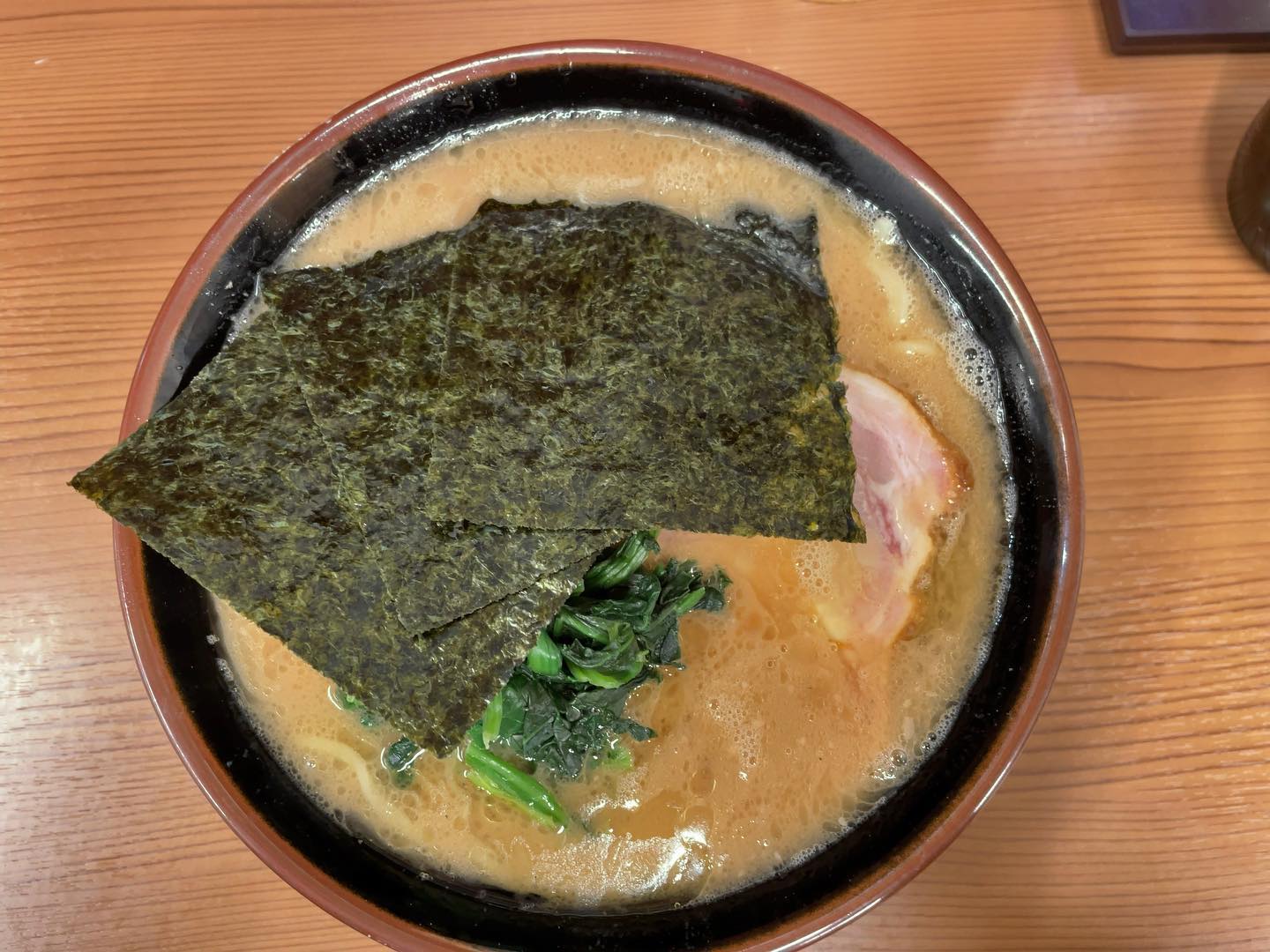
Iekei ramen was born in Yokohama and is typically built around a rich pork-bone and soy-sauce broth, thick noodles, chicken oil, spinach, nori, and chashu. [2]
This is the section to start with if you want a rich, salty, deeply savory bowl.
Akihabara Ramen Waizu
Best for: Deep Iekei flavor and smoked-style chashu.
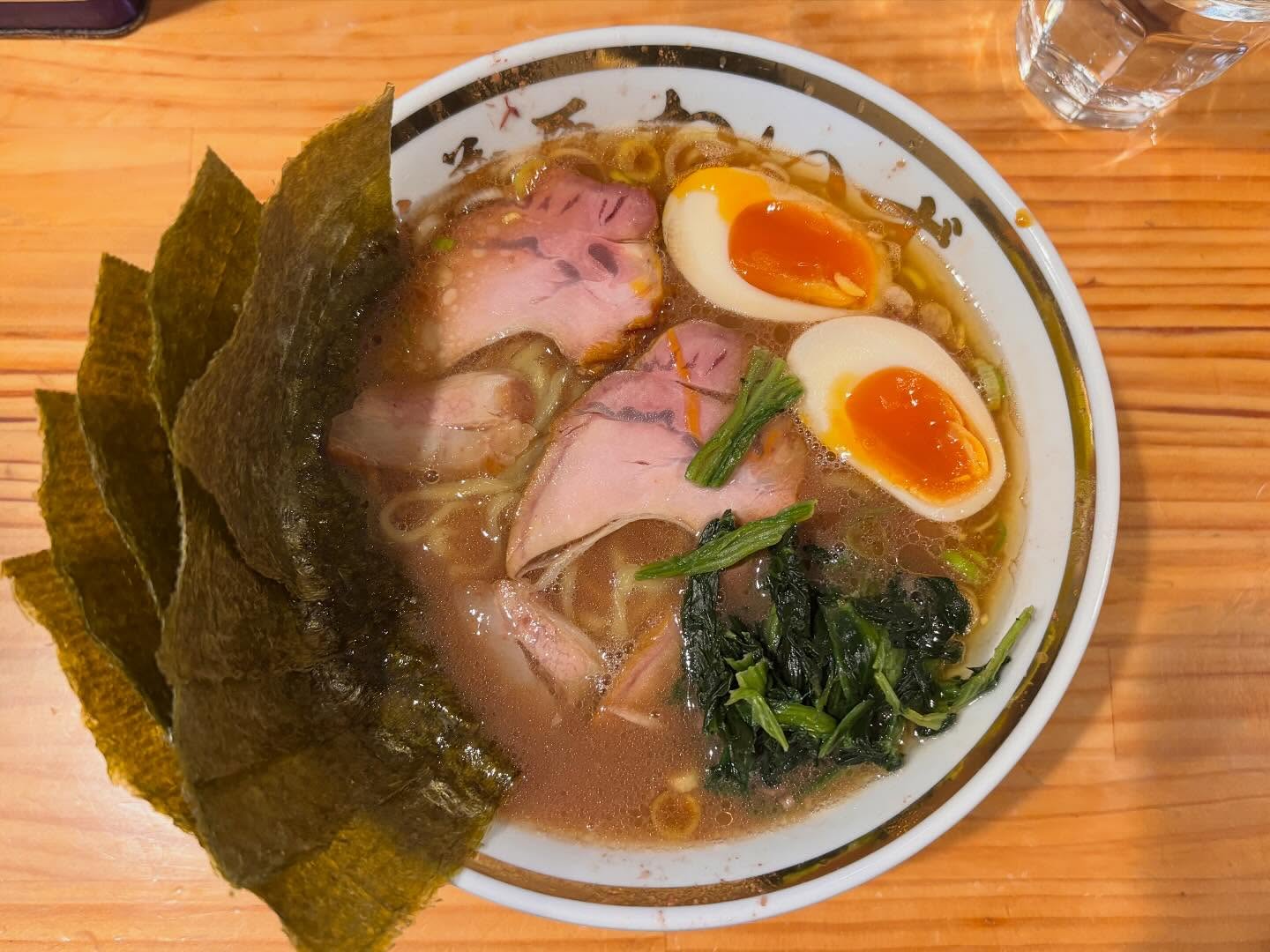
Waizu is one of my personal favorites, and I have returned several times. Its Nori-Tama Ramen delivers the dense pork-and-soy character I want from Iekei ramen, while its smoked-style chashu is my favorite chashu among the shops in this guide.
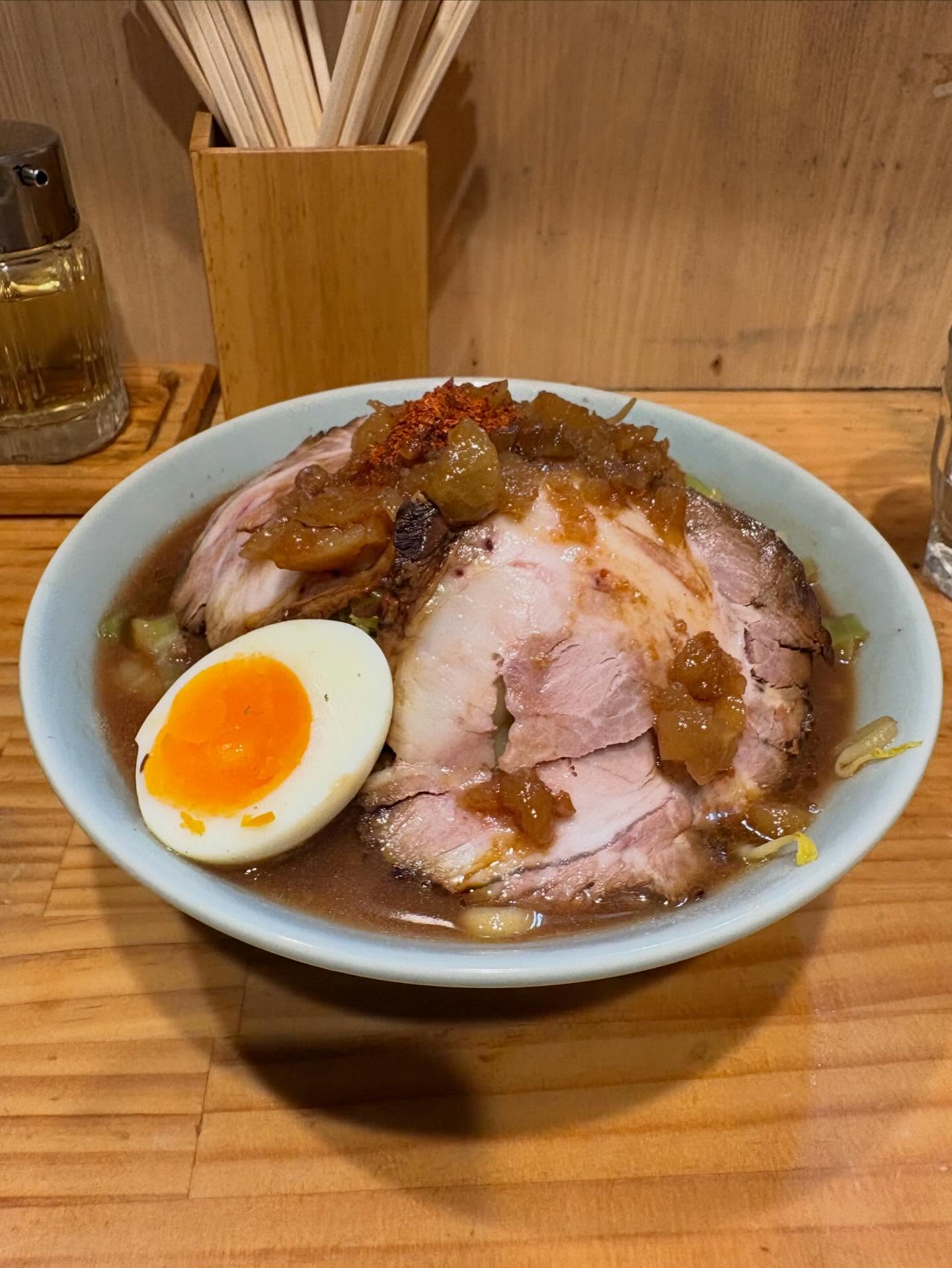
Akihabara Ramen Waizu: Butasoba
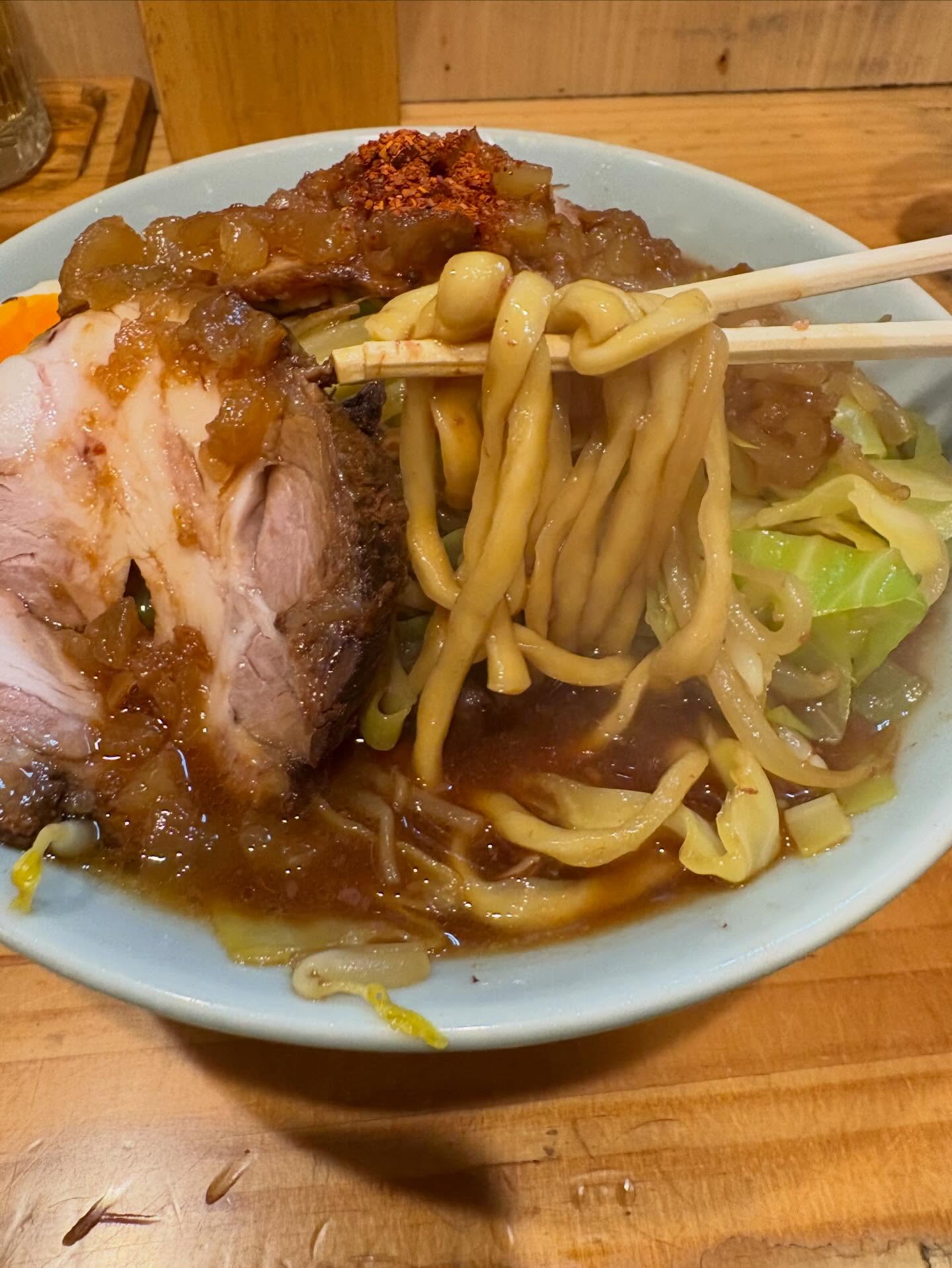
Waizu also serves Butasoba, which combines the shop’s Iekei soup and seasoning with the vegetables and scale associated with Jiro-style ramen.
It is an especially interesting choice if you enjoy both styles: the bowl keeps the depth of Iekei while moving into much heavier territory.
Iekei Ramen Bushoya
Best for: A salty, concentrated Iekei bowl with plenty of punch.
Bushoya is another shop I have revisited. My Bushou Ramen had the intensity I expect from Iekei: a concentrated, full-bodied soup with plenty of salt and richness.
It is a straightforward choice when you want Iekei to taste powerful rather than restrained.
Iekei Ramen Bushoya Gaiden
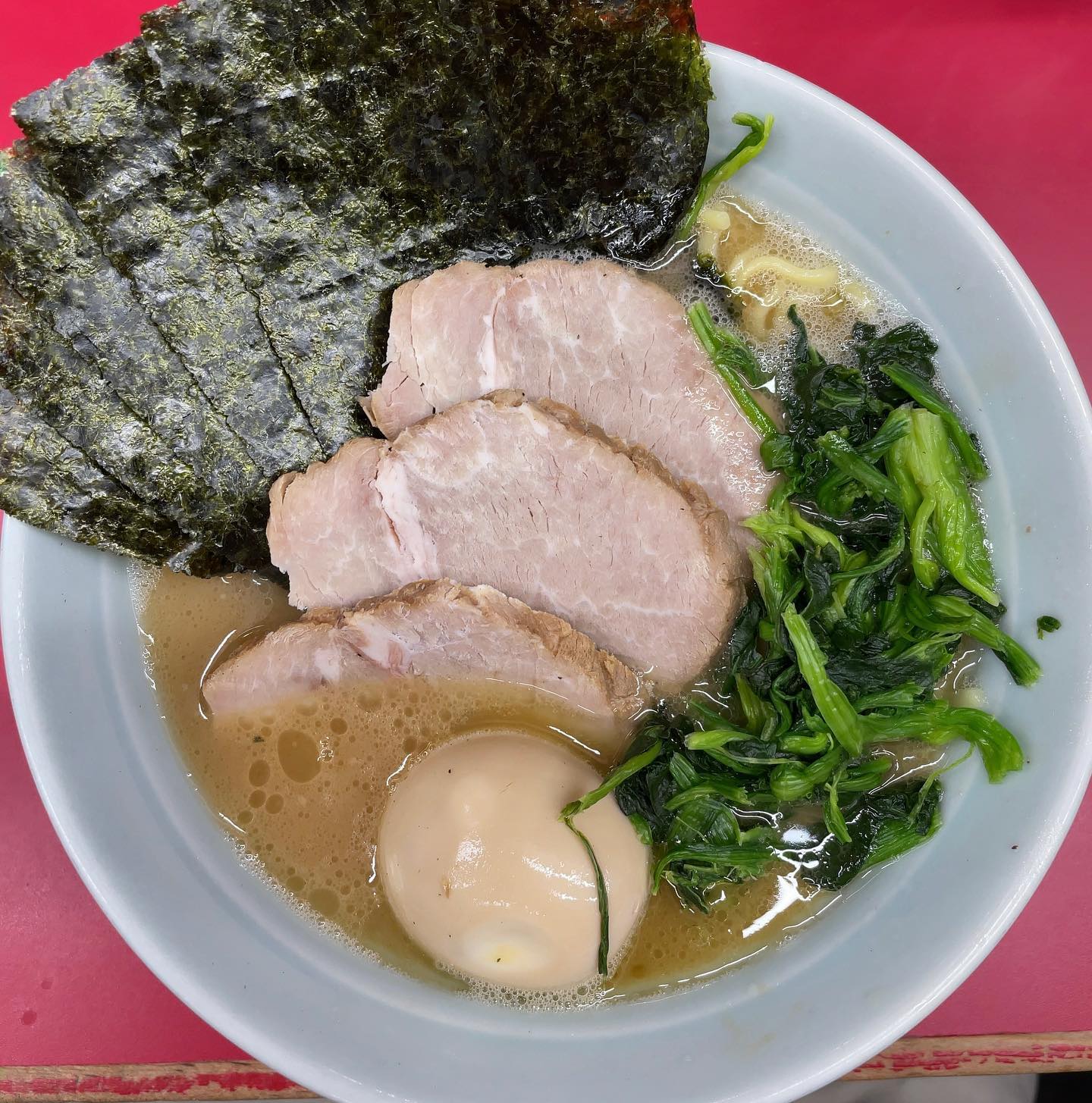
Best for: A slightly gentler take on Iekei with smoked chashu.
Bushoya Gaiden appears to be a sister shop of Bushoya. Compared with Bushoya, the soup felt slightly gentler to me, while the smoked chashu gave the bowl a character of its own.
IEKEI TOKYO
Best for: Powerful Iekei with plenty of topping options.
IEKEI TOKYO is directly connected to Oudouya, the well-known Iekei name from Chiba. [3]
My featured order is ramen with extra cabbage. The shop offers a wide range of toppings, but cabbage is one I particularly recommend: its freshness works well against the concentrated soup. The smoked-style chashu is another highlight.
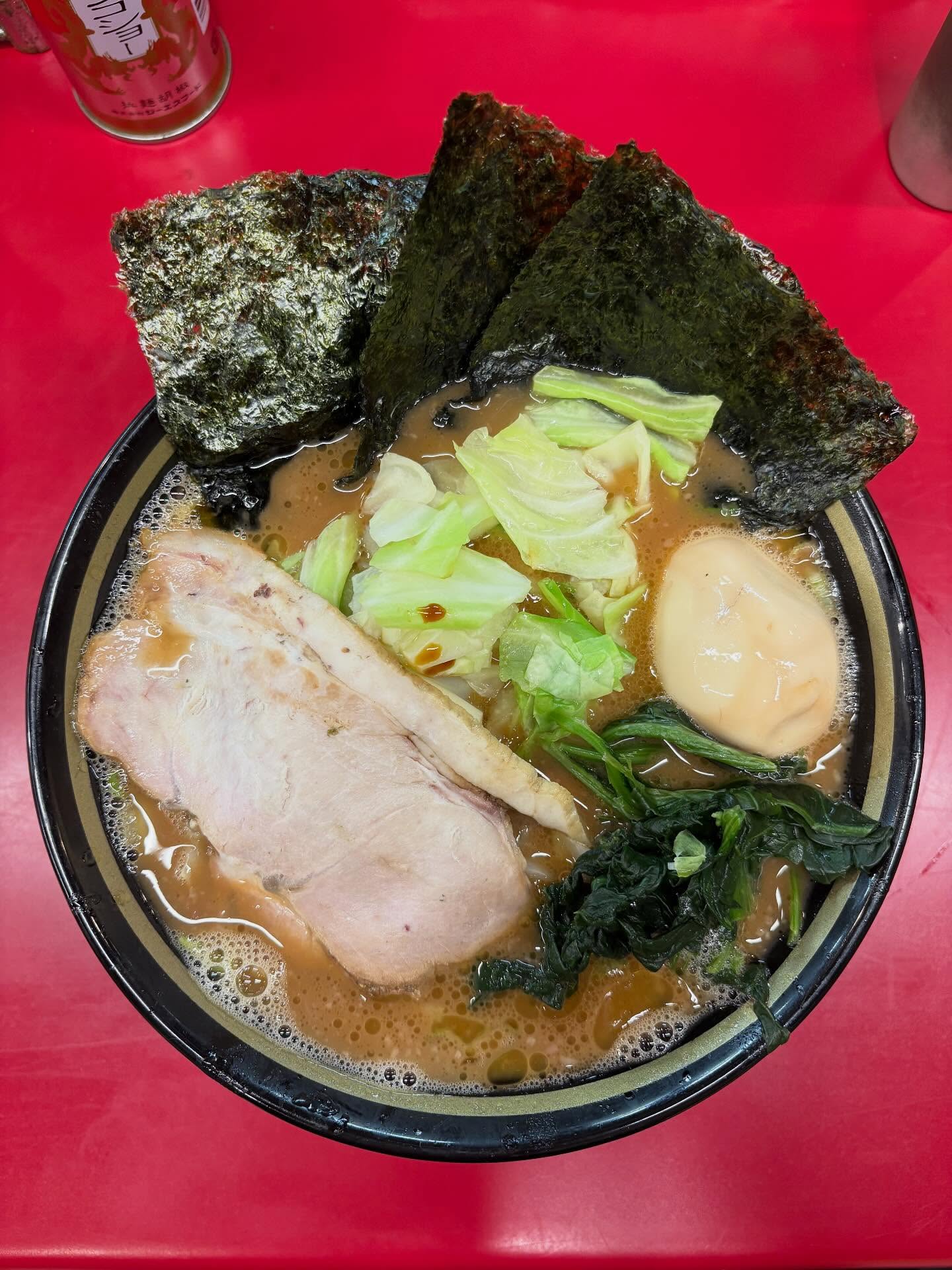
All four shops in this section are places I have enjoyed enough to revisit. Waizu remains especially memorable for its smoked-style chashu.
Jiro-style: bold flavor and huge portions
Jiro-style ramen is known for thick noodles, large portions, a high pile of vegetables, garlic, fat, and substantial pieces of chashu.
This is the category to choose when you want both strong flavor and a seriously filling meal.
Many specialist shops ask customers to specify preferences such as vegetables—usually bean sprouts and cabbage—garlic, and fat. The ordering call can be unfamiliar if you have never tried Jiro-style ramen before, and the procedure varies by restaurant.
Checking the shop’s latest guidance before visiting can make the experience much easier.
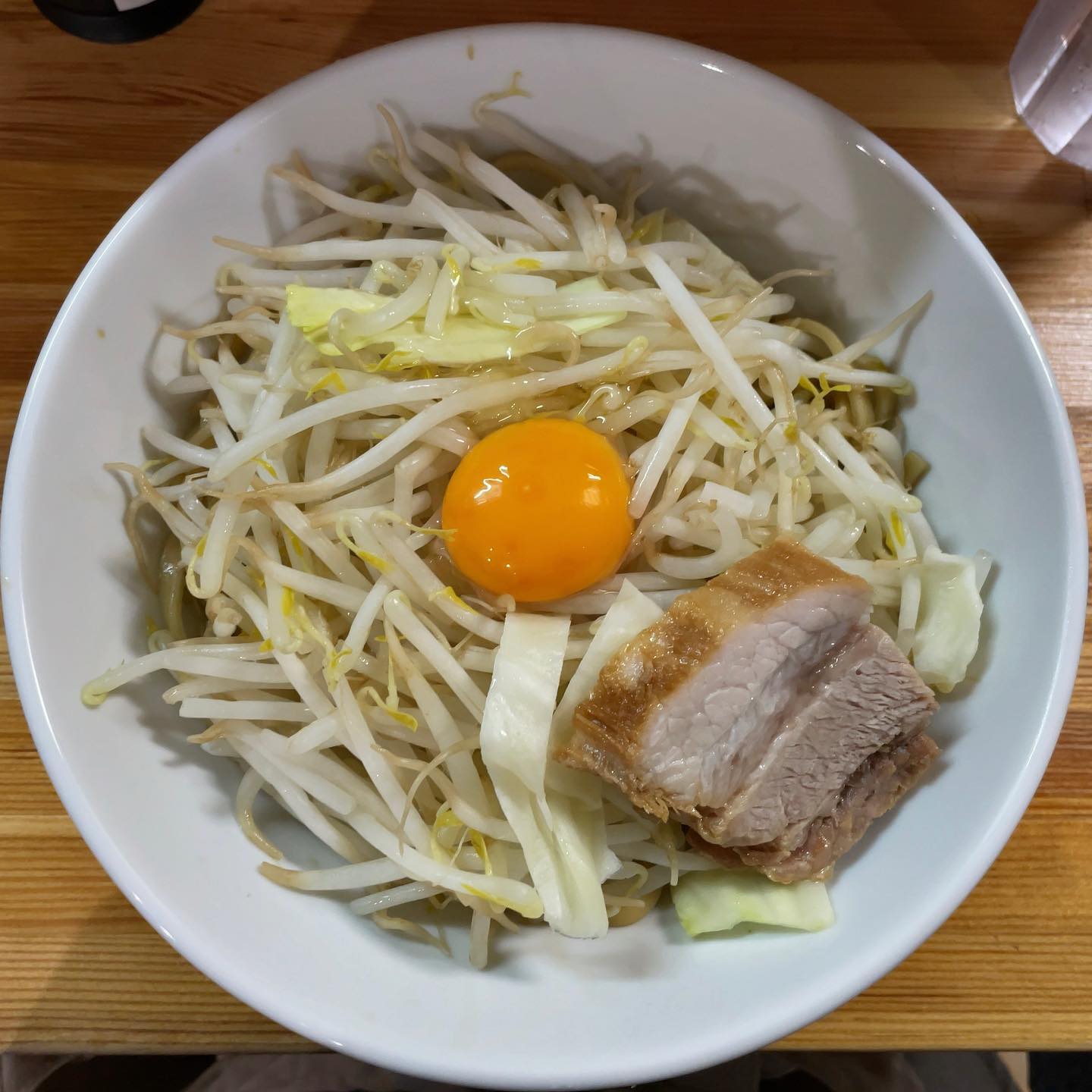
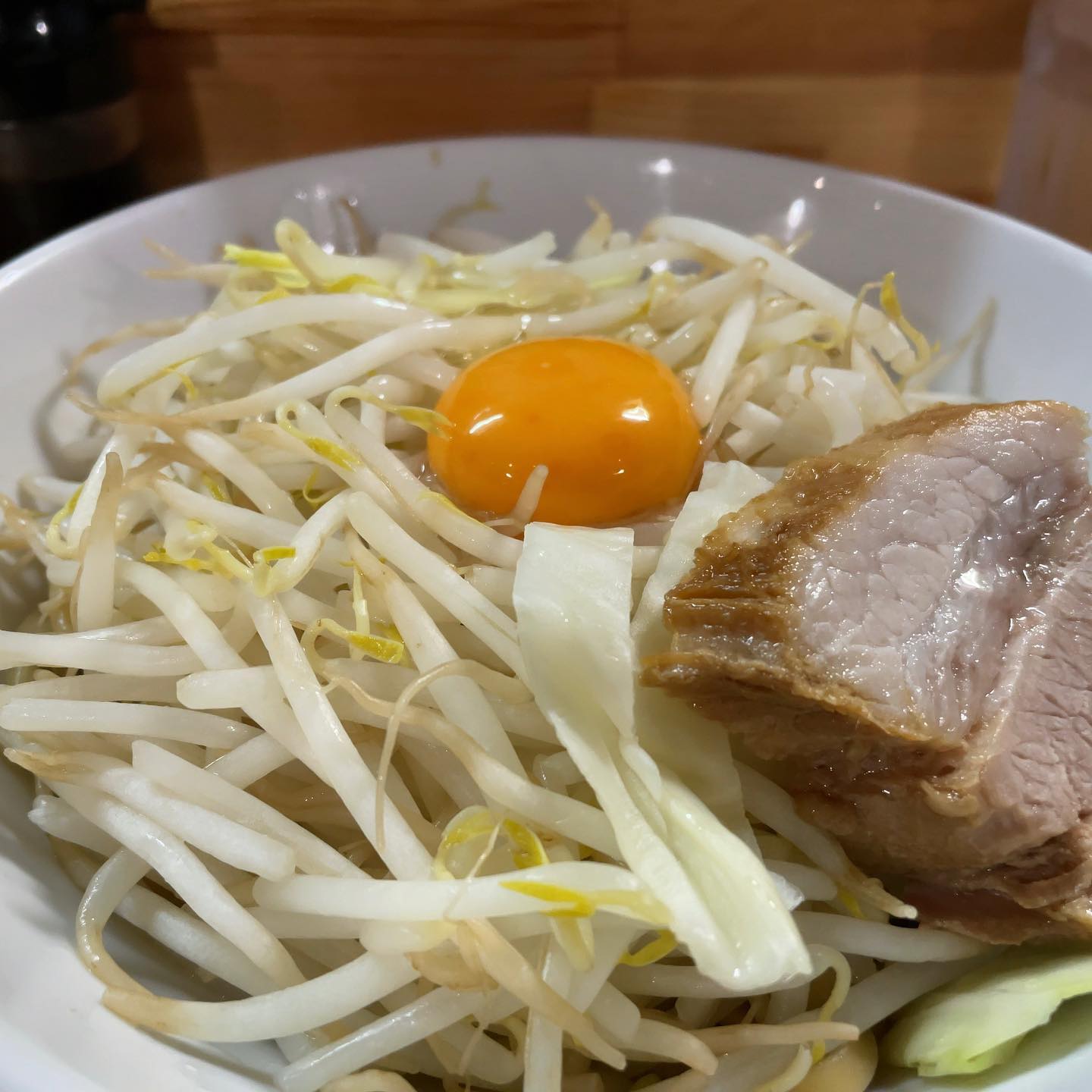
Mendokoro MAZERU
Best for: A heavy, indulgent Jiro-style shirunashi bowl.
MAZERU serves this style as shirunashi: thick noodles and seasoning are mixed together without the noodles sitting in soup.
You can adjust ingredients such as vegetables, cheese, and fat. Adding cheese makes the bowl particularly rich, oily, and deliberately over-the-top.
Among the heavy bowls in this guide, MAZERU felt the most substantial to me.
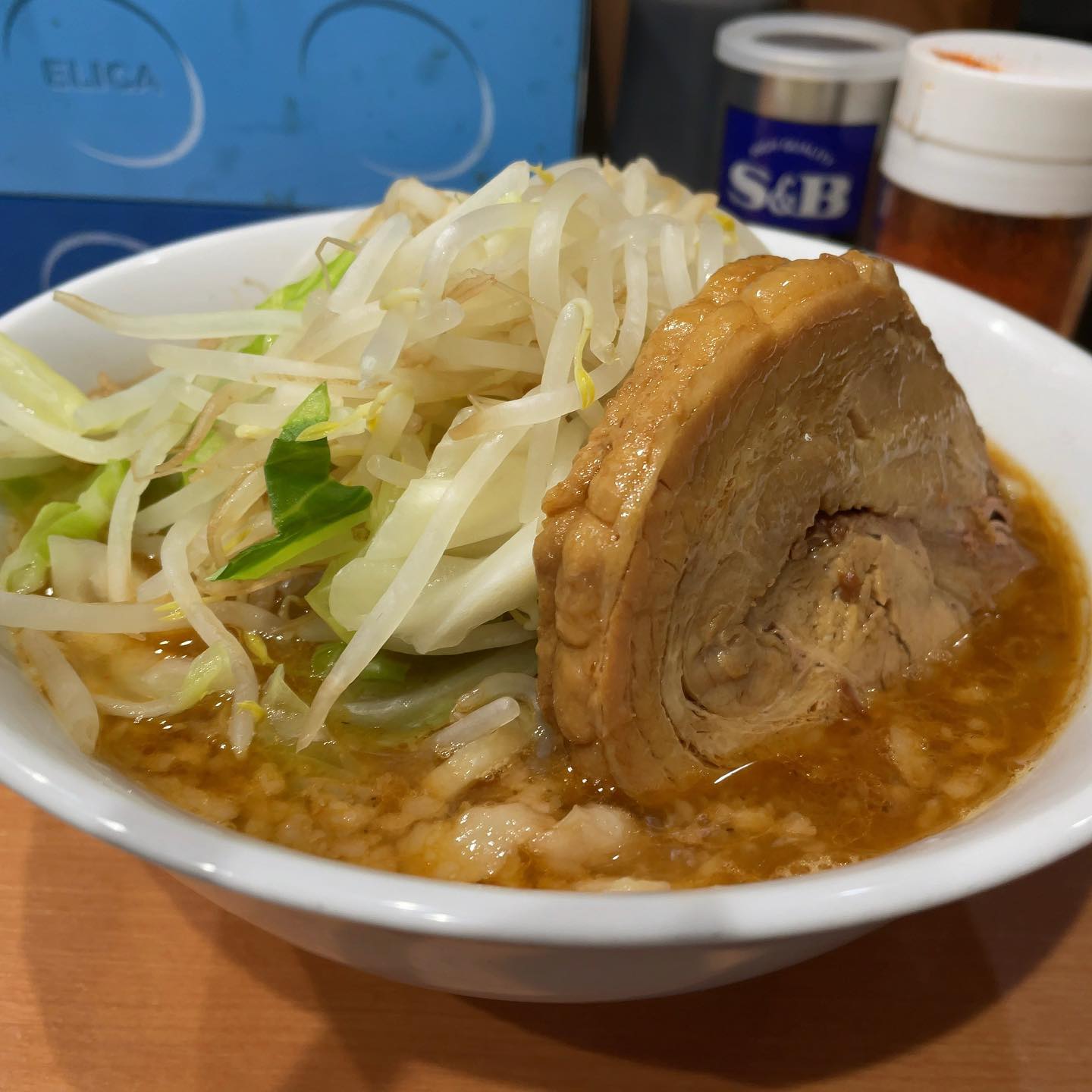
Ramen Ninja
Best for: Jiro-style ramen with an unusual miso option.
The bowl featured here uses a miso-based soup. Because many Jiro-style bowls lean toward pork-bone and soy sauce, the miso gives this one a different direction.
The shop also serves more conventional Jiro-style options, but the miso bowl is particularly interesting if you already enjoy both Jiro-style ramen and miso ramen.
Ramen Kagemusha
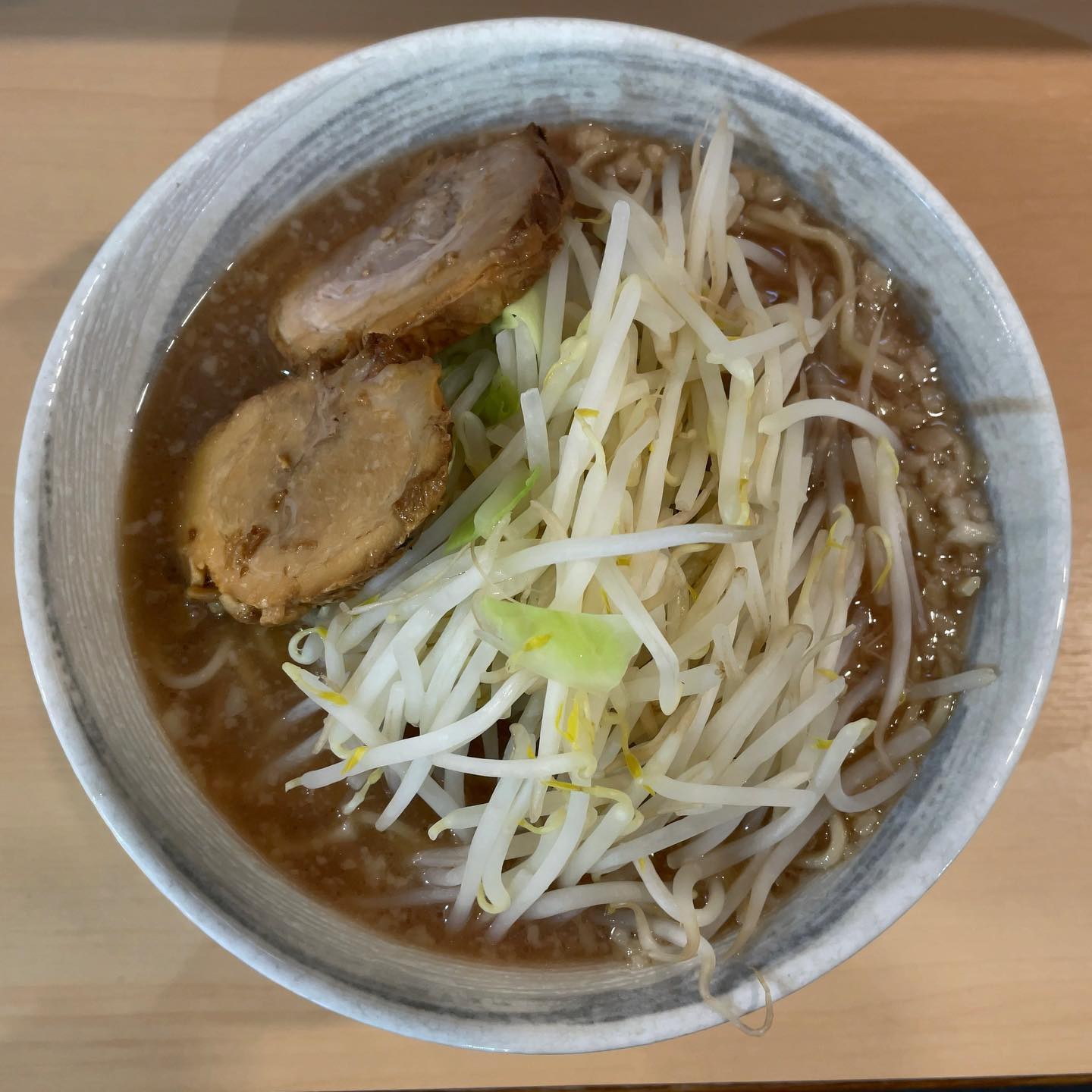
Best for: A relatively lighter Jiro-style bowl.
Kagemusha felt relatively light within the Jiro-style category, with the soup placing a little more emphasis on soy sauce.
It is a good choice when you still want the vegetables, chashu, thick noodles, and scale associated with Jiro-style ramen without choosing the heaviest broth in this section.
Tsukemen: thick noodles and dipping broth
Tsukemen serves the noodles separately from the dipping broth.
The noodles are generally thicker and firmer than ramen noodles, and good tsukemen makes the texture and flavor of the noodles themselves a major part of the experience.
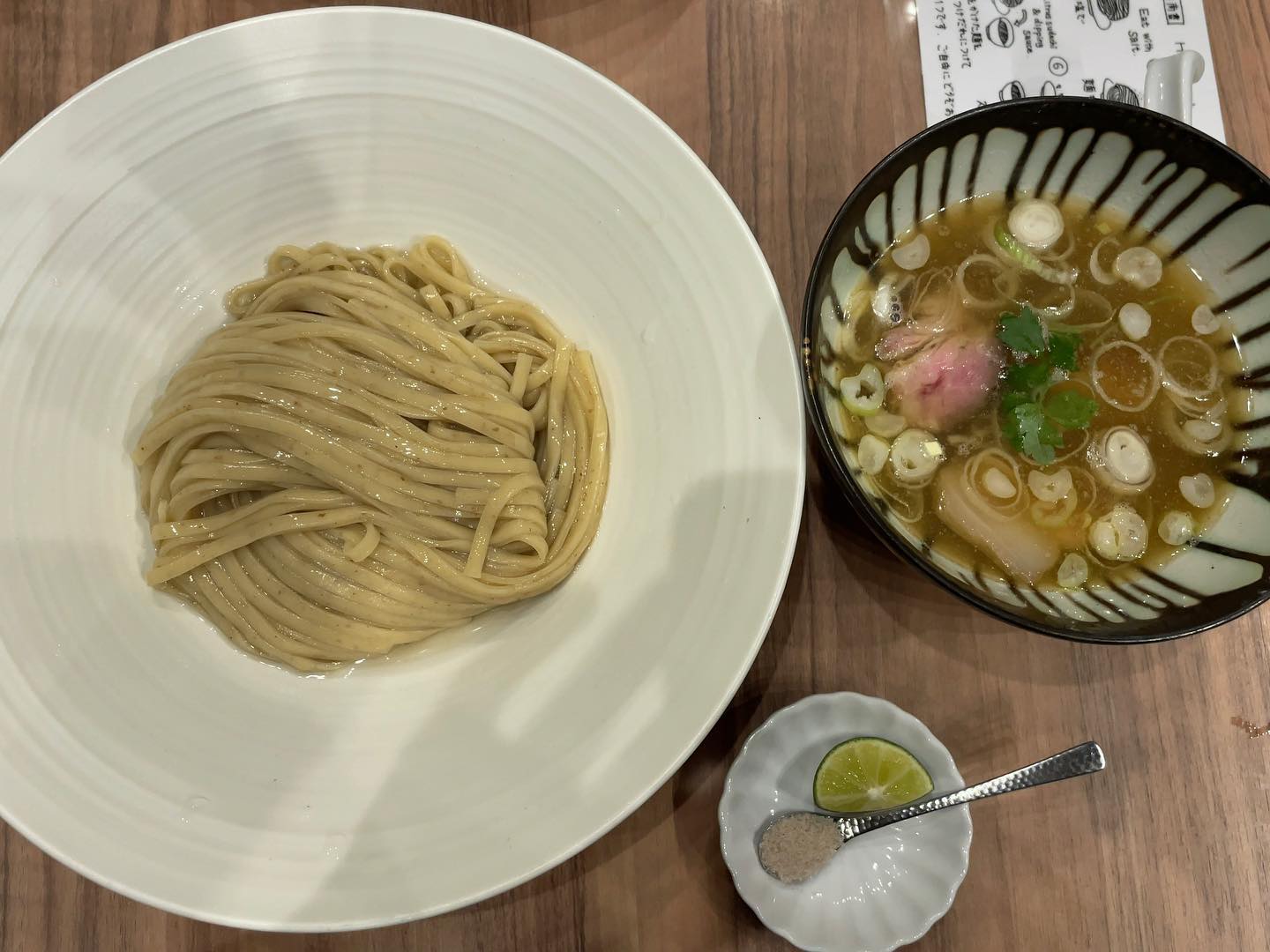
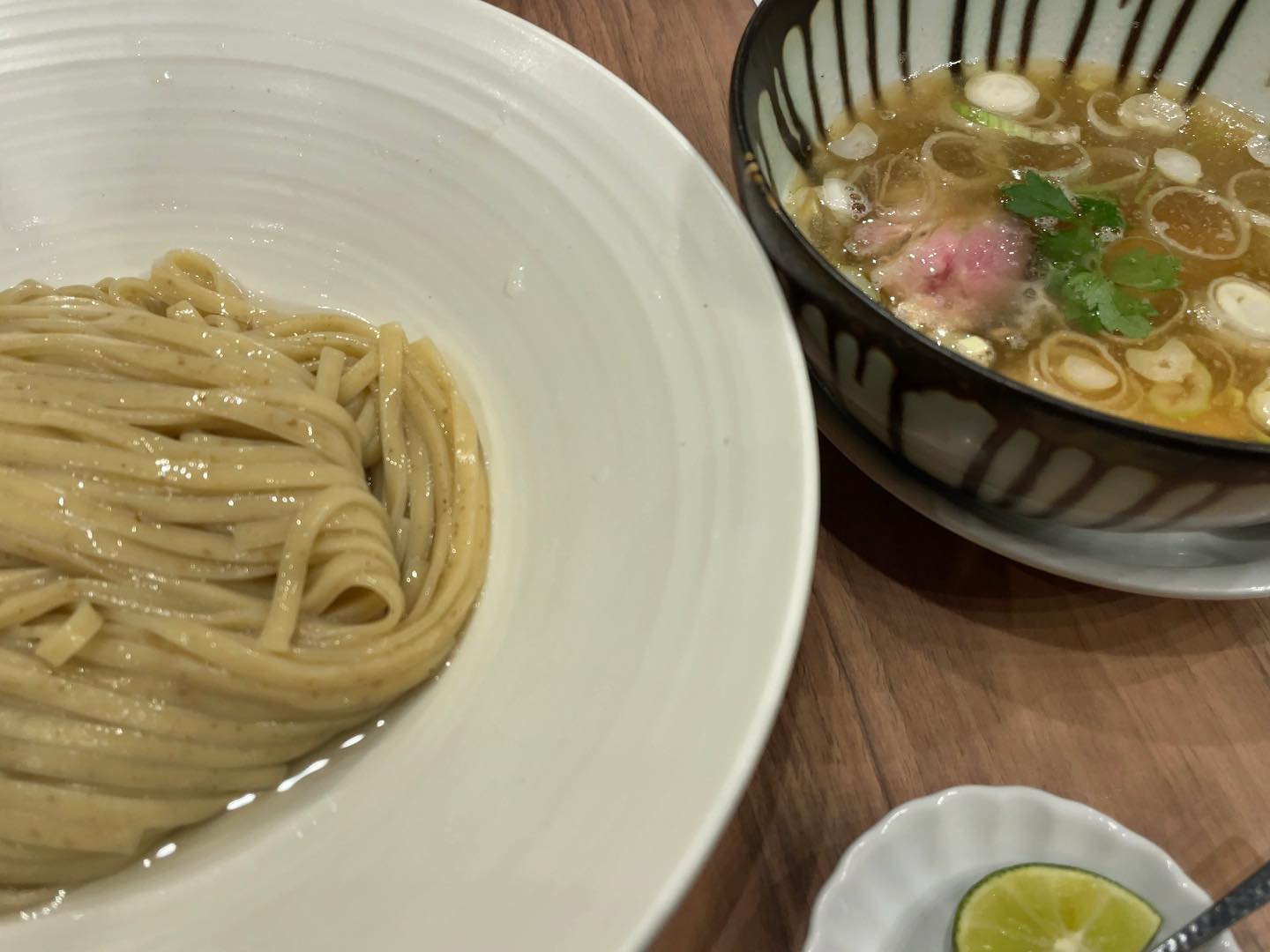
Mendokoro Honda Akihabara
Best for: Appreciating the noodles themselves in several different ways.
Mendokoro Honda Akihabara’s Shio Tsuke comes with mosshio seaweed salt and sudachi citrus separately from the dipping broth.
That lets you taste the noodles with salt alone, add citrus, or dip them into the broth. One serving gives you several ways to experience the noodles before you finish the bowl.
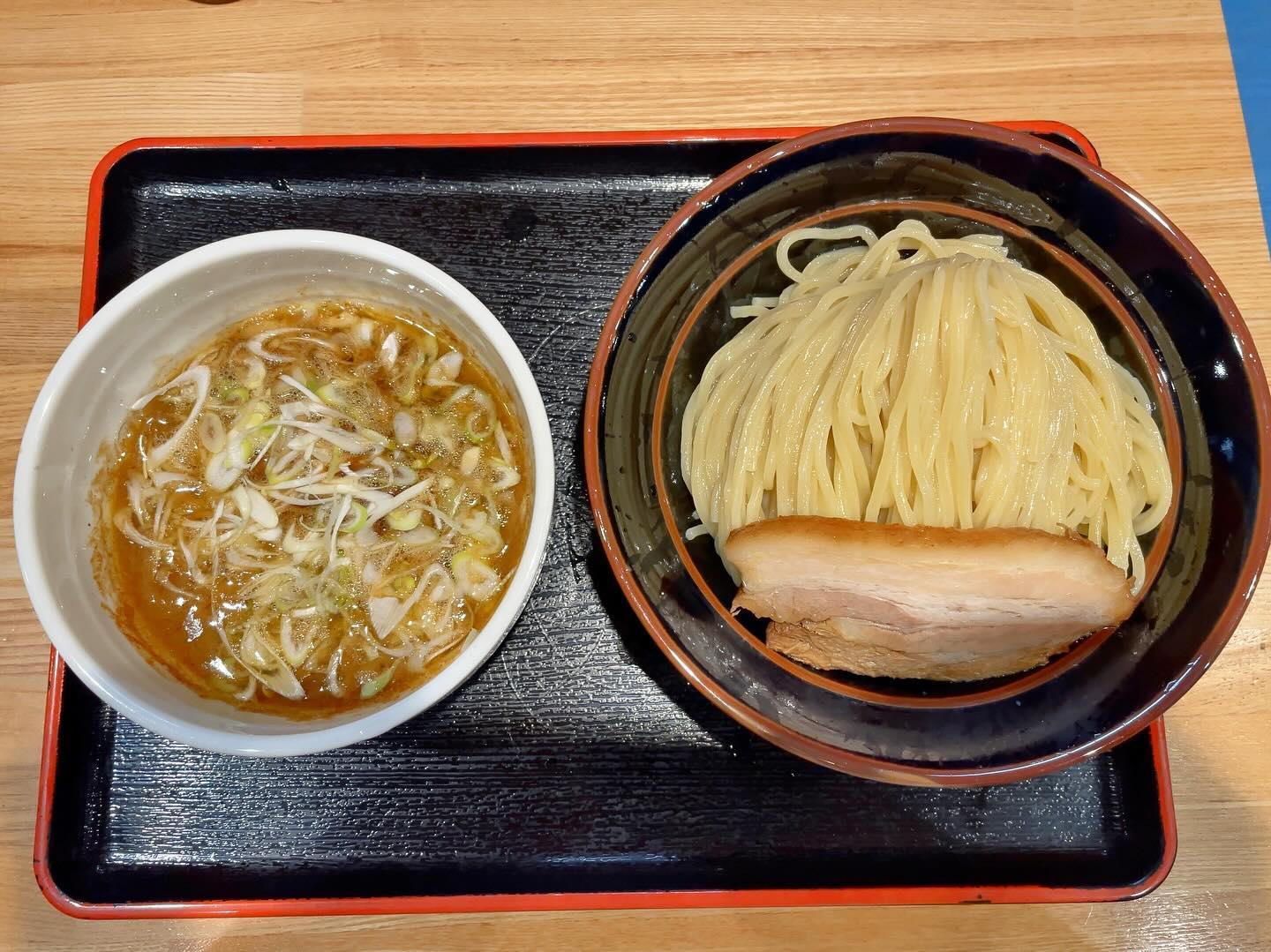
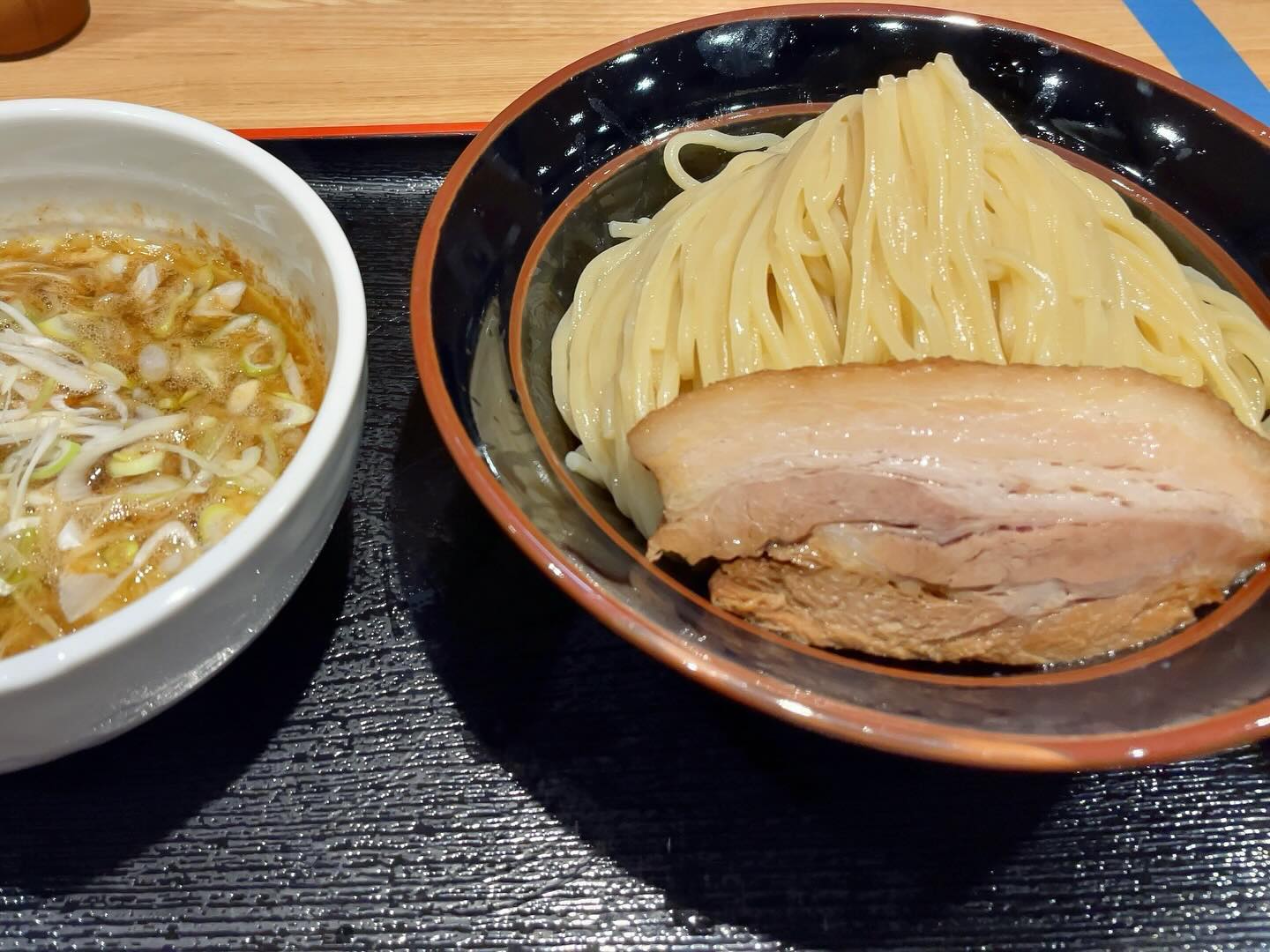
Menya Suiren
Best for: A gentler fish-and-tonkotsu tsukemen.
Suiren uses a fish-and-pork-bone dipping broth that tasted relatively sweet and gentle to me for tsukemen.
The tonkotsu base still gives the broth body, but the overall impression is softer and more approachable than some of the heavier tsukemen in this style.
Aidaya
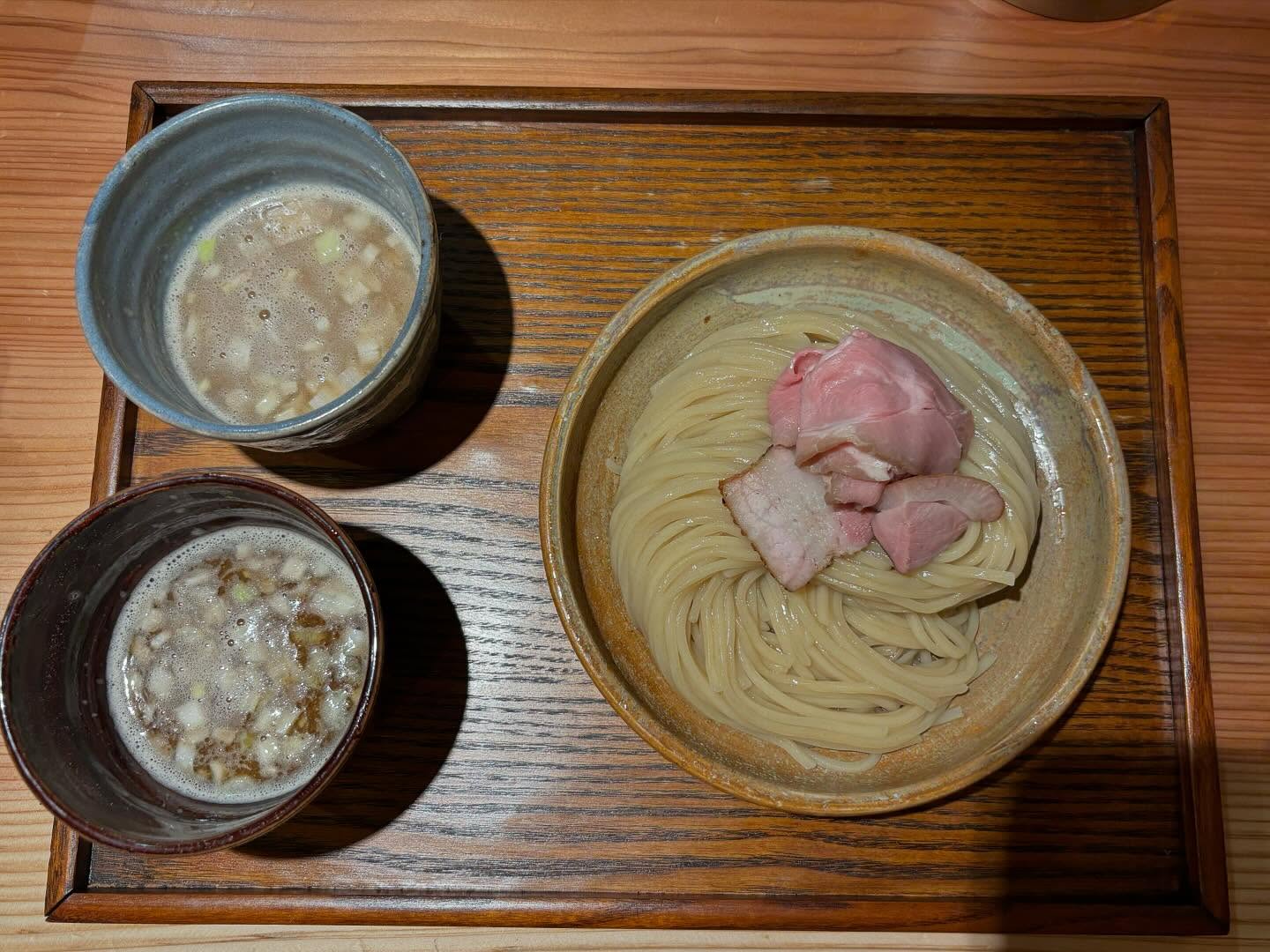
Best for: Comparing multiple dipping broths in one meal.
A typical tsukemen order gives you one dipping broth. Aidaya is unusual because you can choose multiple broths from several options and compare them side by side.
My meal paired garlic shoyu with tonkotsu seafood.
If exploring different flavors is part of the fun for you, Aidaya offers an experience that is difficult to get from a conventional bowl of tsukemen.
Shoyu ramen: cleaner, lighter flavors
Shoyu ramen uses soy sauce as its main seasoning.
The category covers many different styles, but in this guide it is the best place to start if you want something clearer and less fatty than Iekei or Jiro-style ramen.
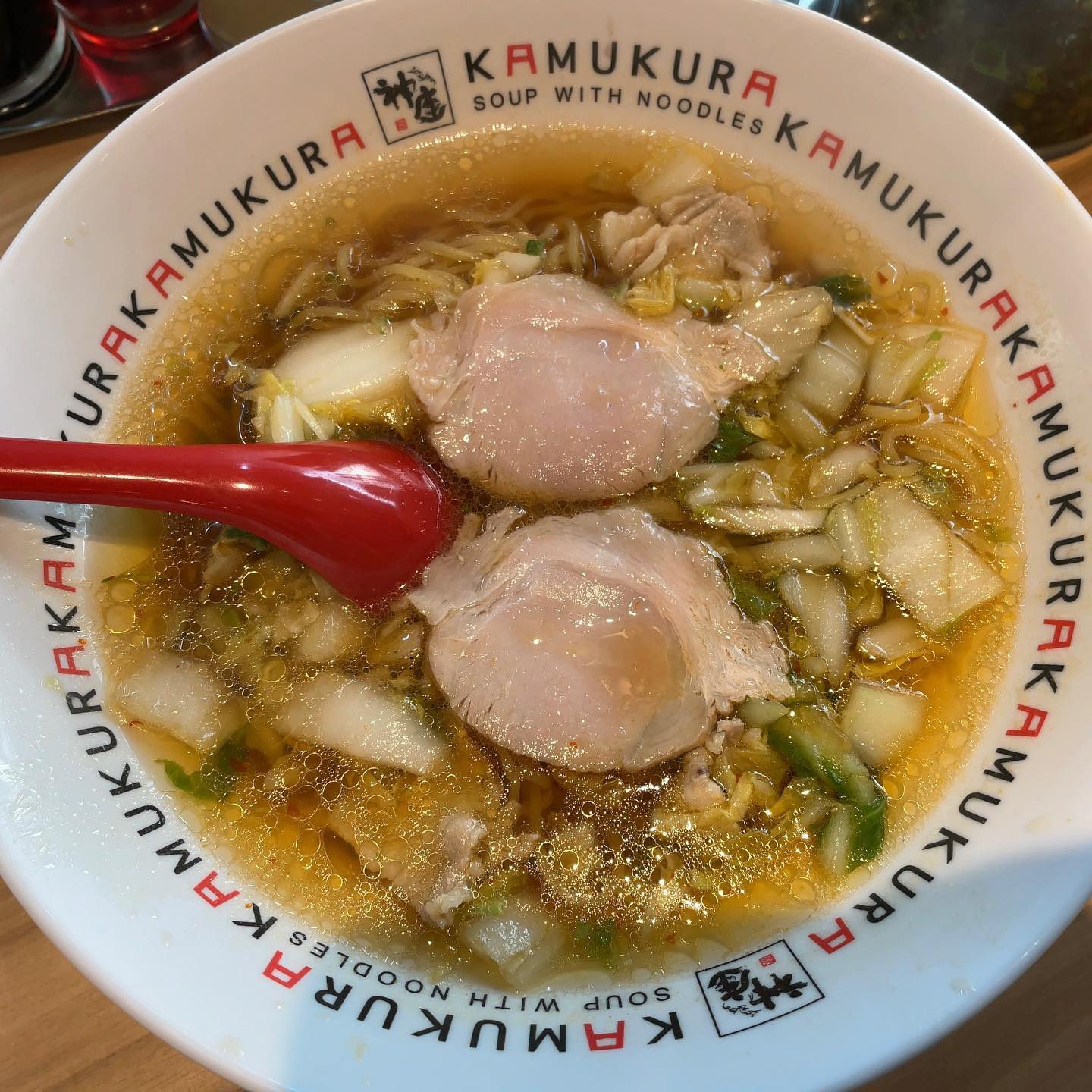
Dotonbori Kamukura Yodobashi Akiba-ten
Best for: A lighter, vegetable-rich bowl.
Dotonbori Kamukura Yodobashi Akiba-ten belongs to a well-known ramen chain that began in Osaka and has grown across Japan. [4]
Its Oishii Ramen is the lightest bowl in this guide. The soy-based soup tastes clean and refreshing, while the generous amount of Chinese cabbage and other vegetables reinforces that easy finish.
Aoshima Shokudo Akihabara-ten
Best for: Ginger shoyu with strong regional character.
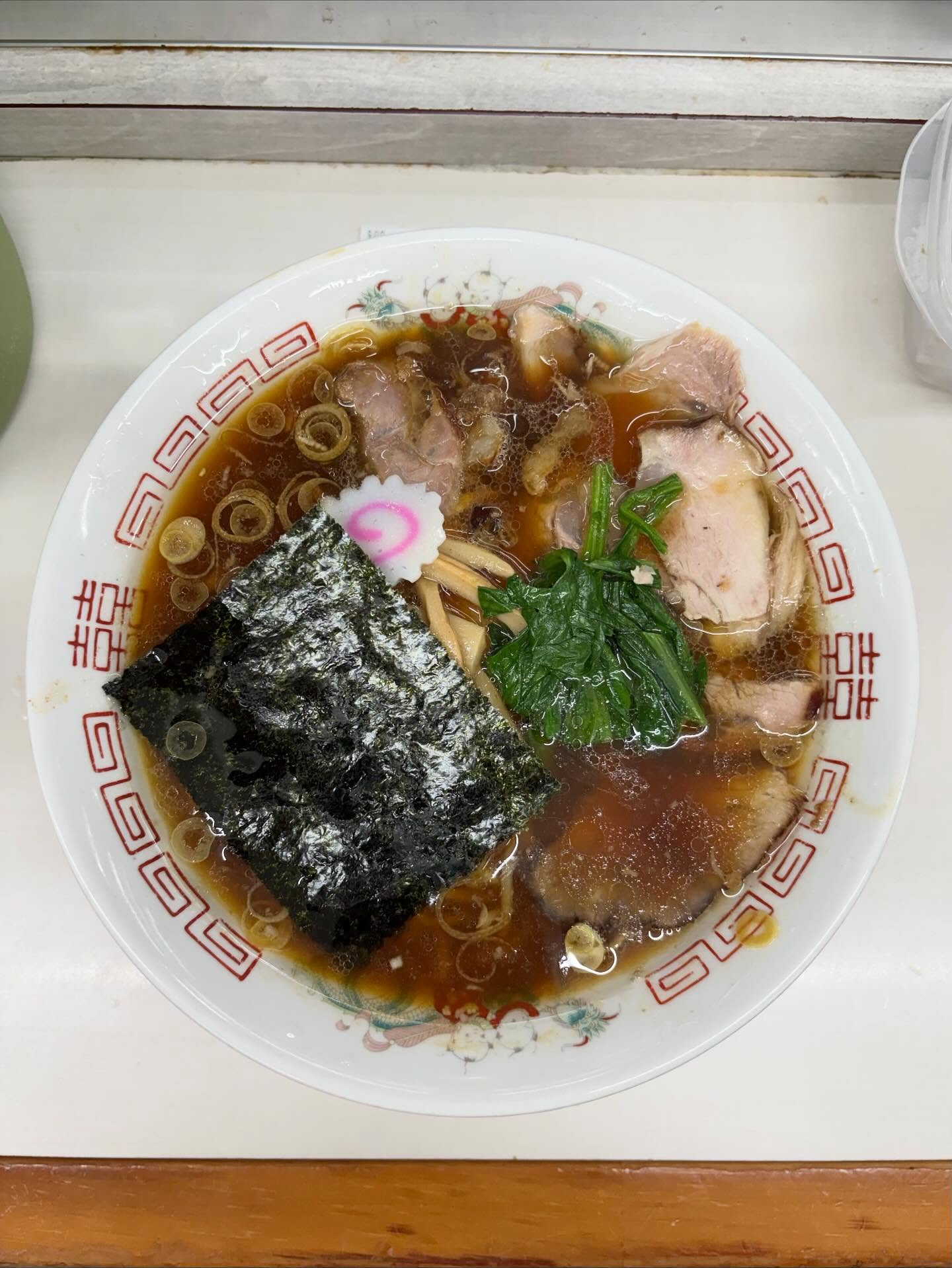
Aoshima Shokudo Akihabara-ten is known for Nagaoka-style ginger-shoyu ramen, one of Niigata’s regional ramen traditions. [5]
The hot soy-based broth carries a clear ginger aroma and a distinctive character that sets it apart from a more conventional shoyu bowl.
The Akihabara shop is popular and can attract a queue, so it is worth allowing some extra time when visiting.
Seafood-forward: fish and shellfish umami
Seafood-forward ramen and tsukemen use ingredients such as dried fish, fish stock, and shellfish to build aroma and umami.
These bowls are especially useful when you want depth and intensity without making pork alone the center of the flavor.
Tsujita Akihabara-ten
Best for: Rich tonkotsu-seafood ramen or tsukemen.
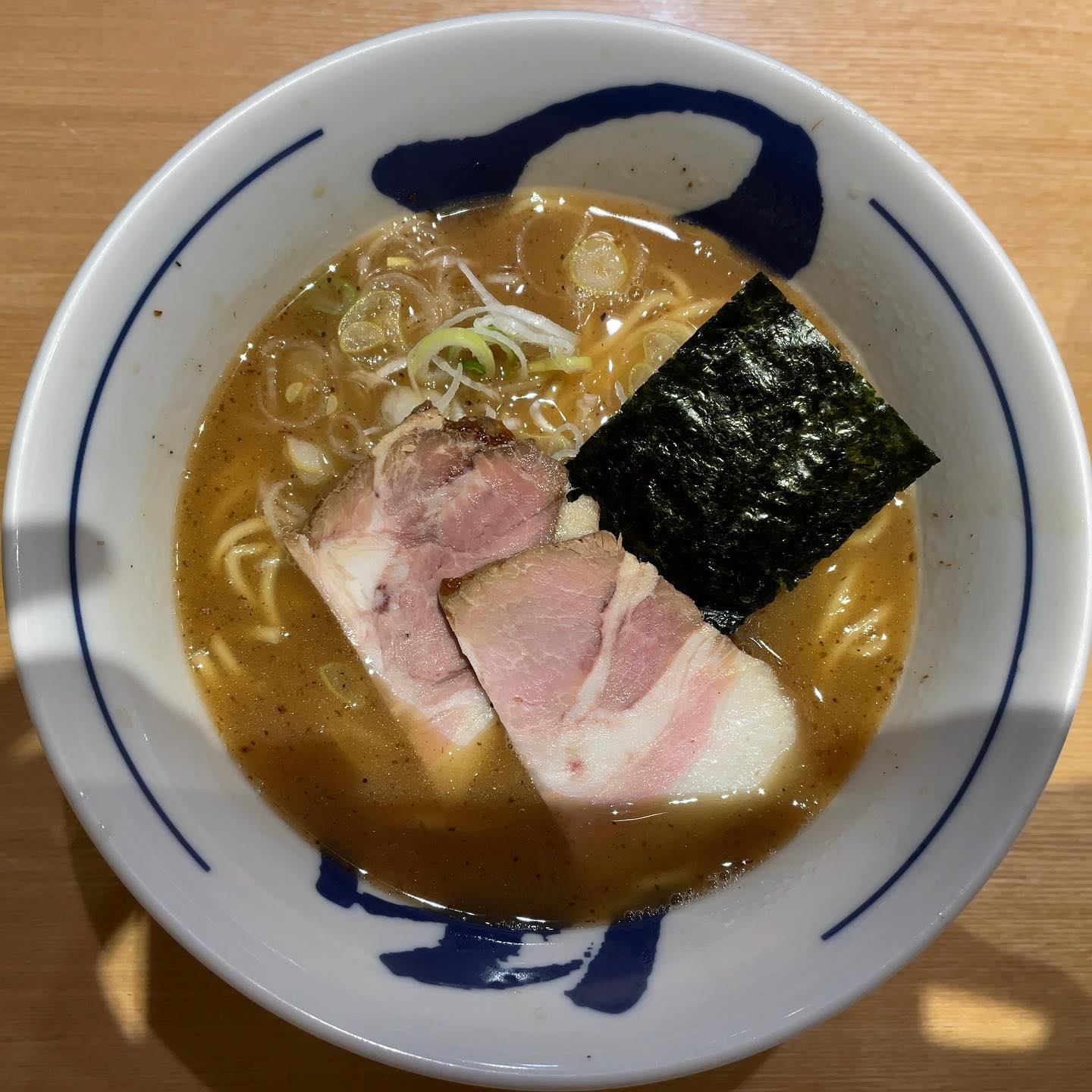
Tsujita Akihabara-ten is known for its rich combination of pork-bone and seafood flavors.
It offers a useful reference point for the thick, concentrated tonkotsu-seafood style commonly associated with both ramen and tsukemen.
The Noko Ramen featured here is the soup-served option.
Nagao Chuka Soba Kanda-ten
Best for: A strong niboshi character rooted in Tsugaru ramen.
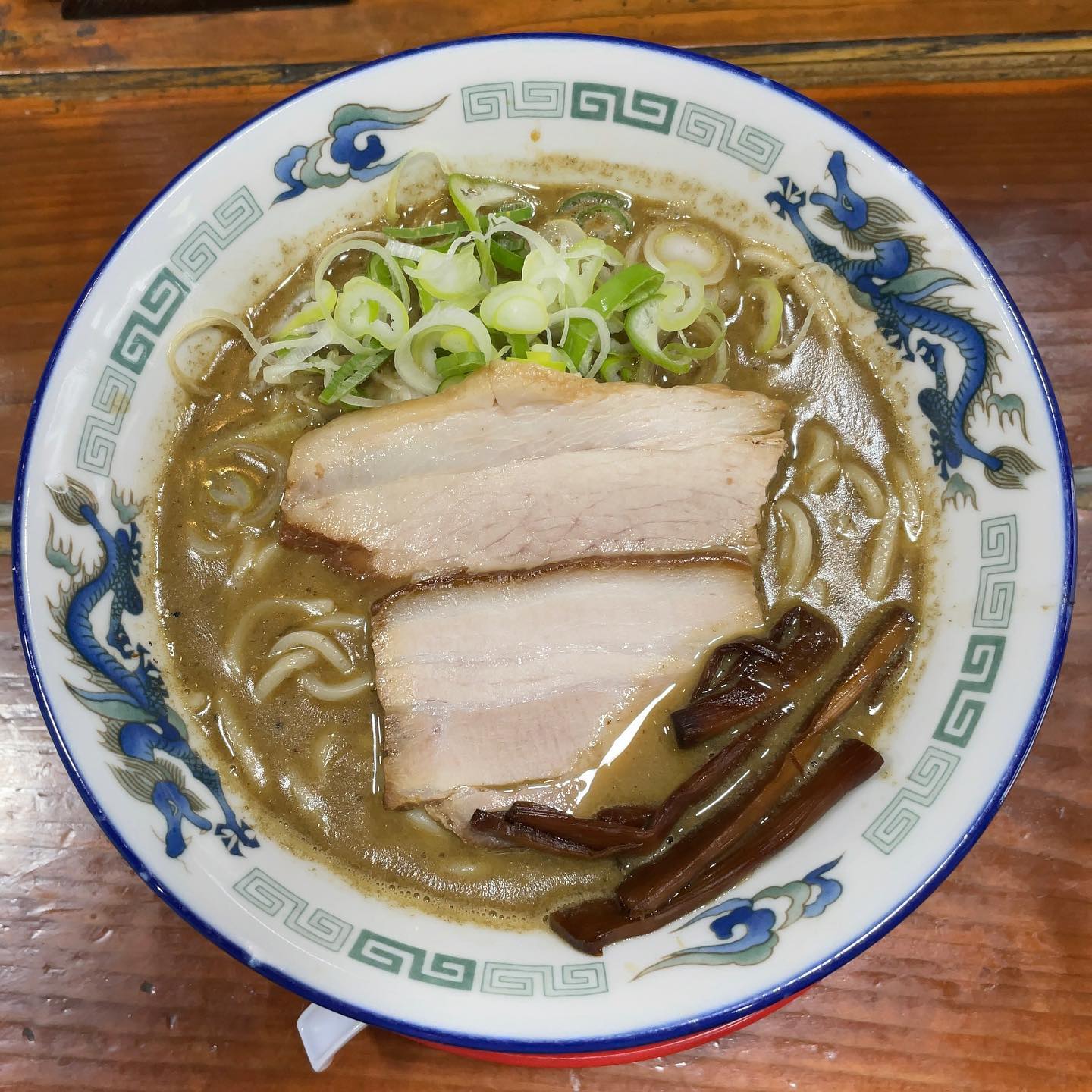
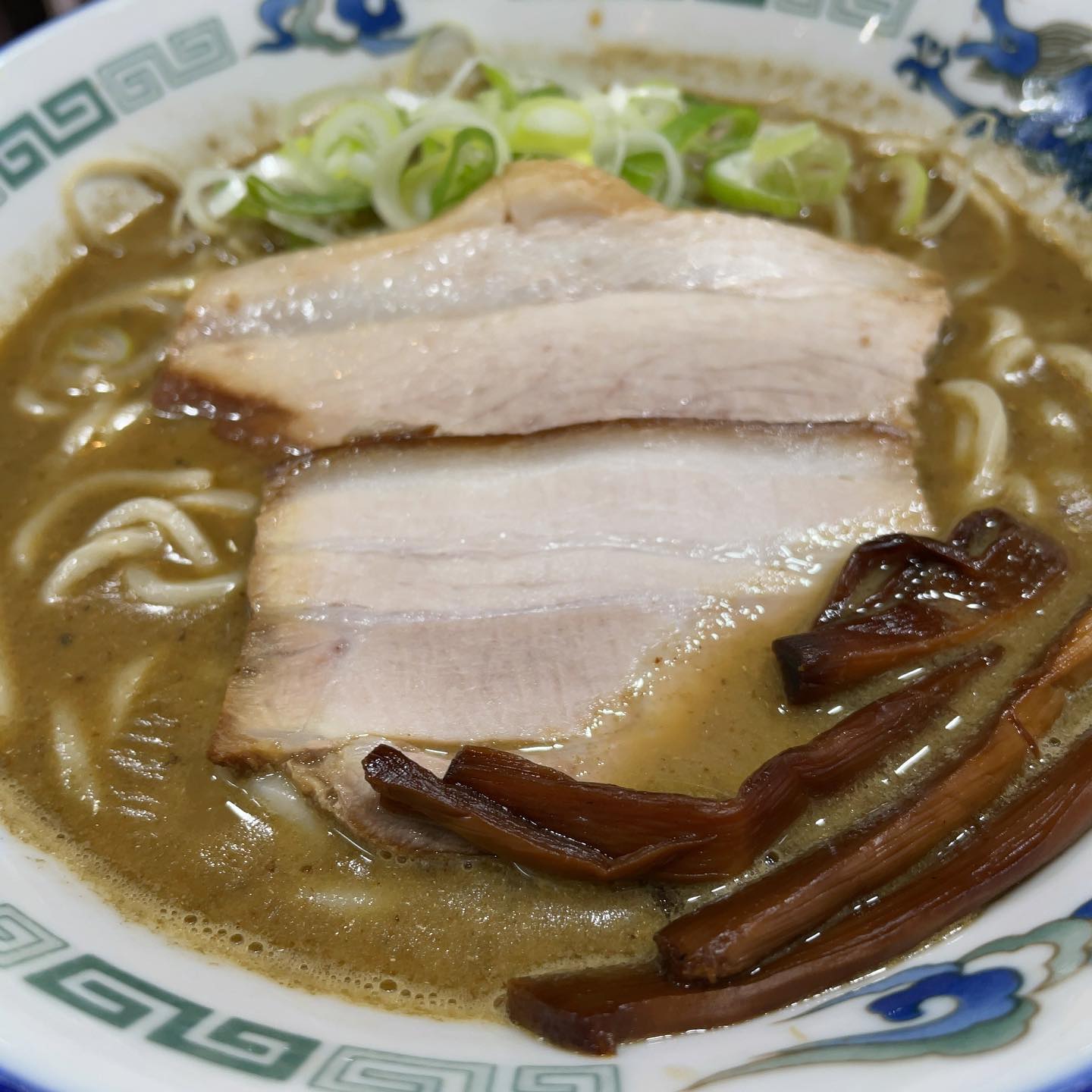
Nagao Chuka Soba Kanda-ten is rooted in the traditional niboshi ramen culture of Tsugaru in Aomori. [6]
The brand offers both lighter traditional bowls and more concentrated interpretations. Koku Niboshi is a good way to experience the assertive dried-sardine character while keeping the overall flavor balanced.
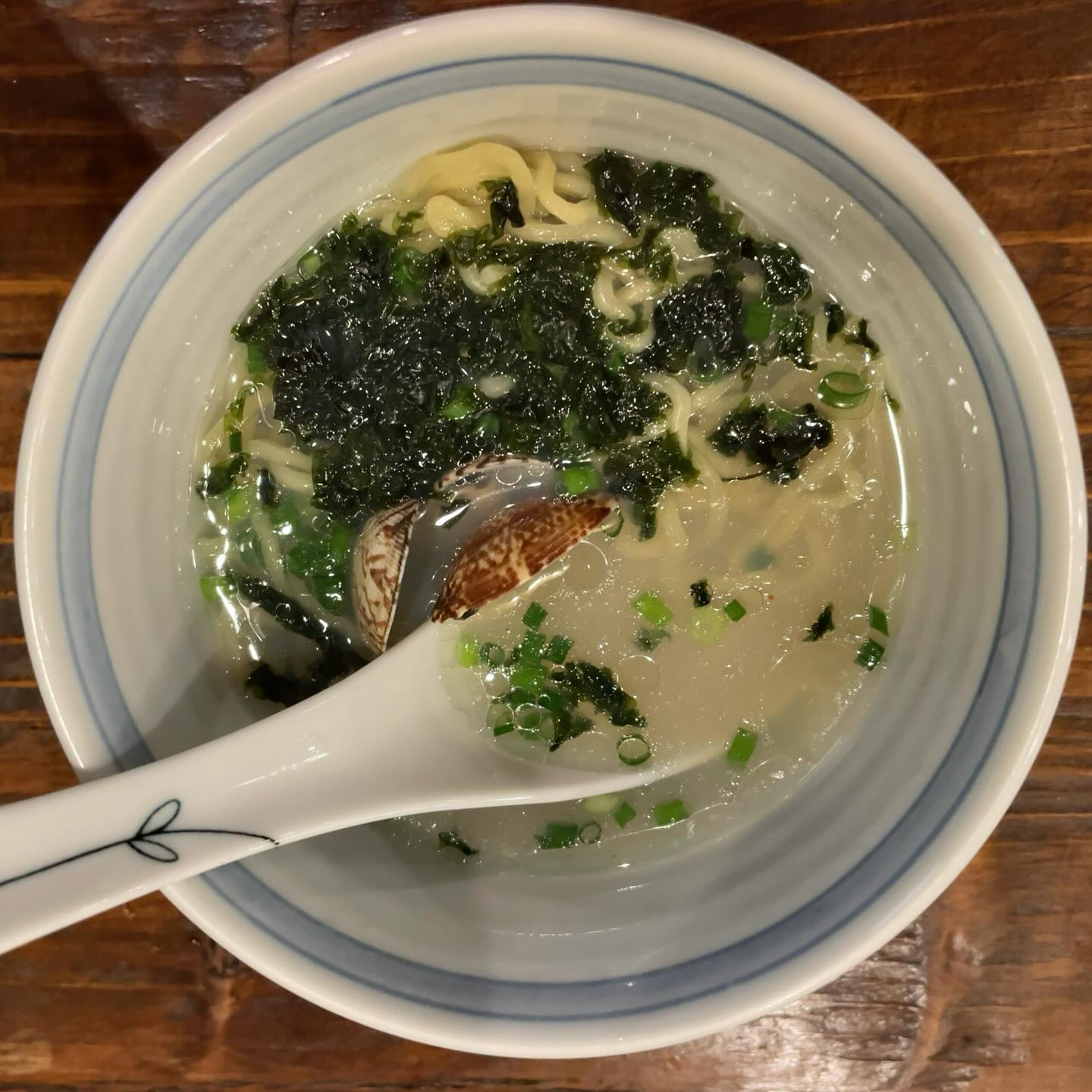
Kai Ryori Bonzu
Best for: Shellfish lovers who want ramen as part of a seafood meal.
Kai Ryori Bonzu is an izakaya-style restaurant centered on shellfish dishes.
Rather than treating ramen as the entire meal, you can enjoy shellfish dishes and sake first, then finish with a shellfish-dashi ramen whose broth carries the savory character of the restaurant’s main ingredient.
Three more distinctive bowls worth trying
Not every bowl fits neatly into the larger groups above. These three restaurants each offer a different reason to visit.
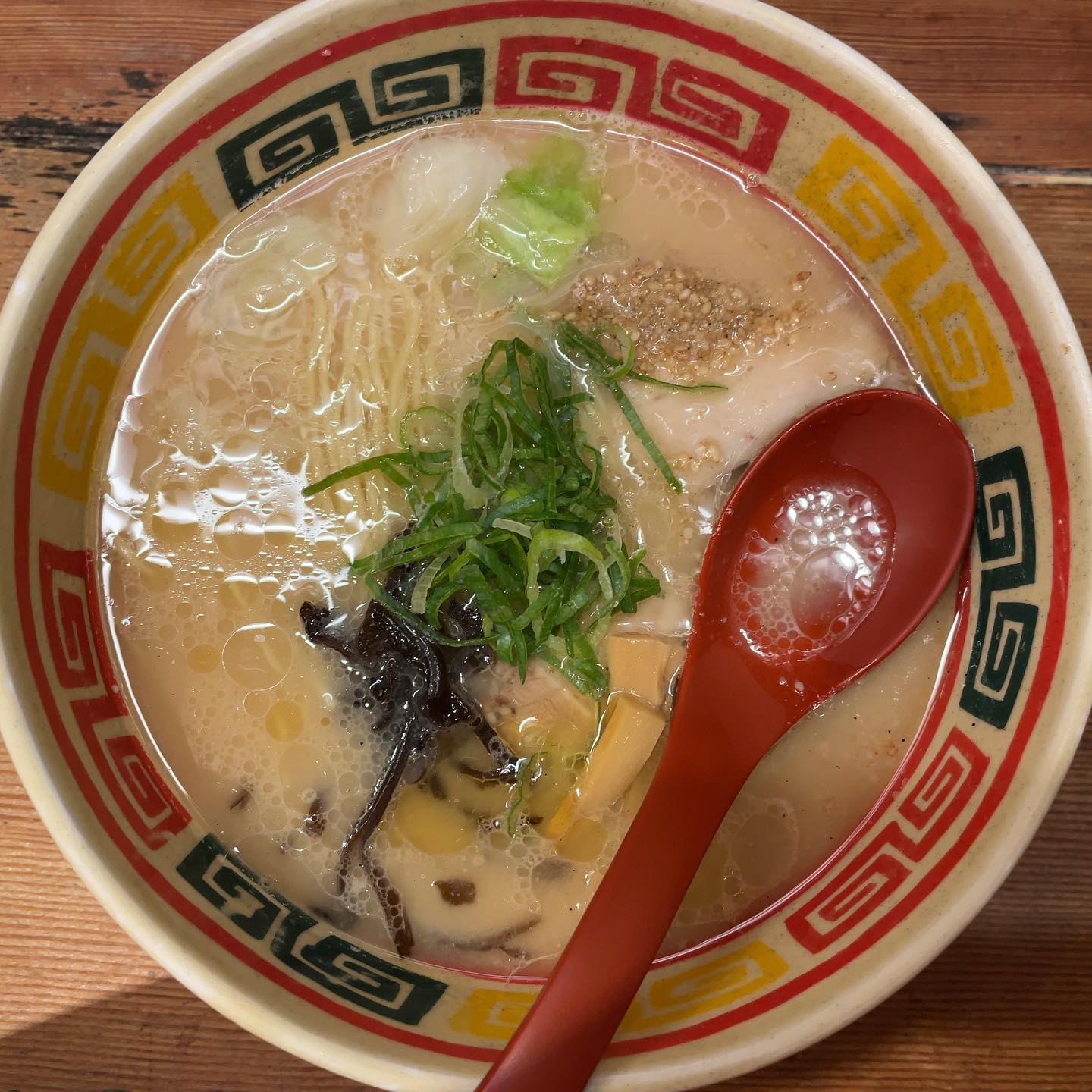
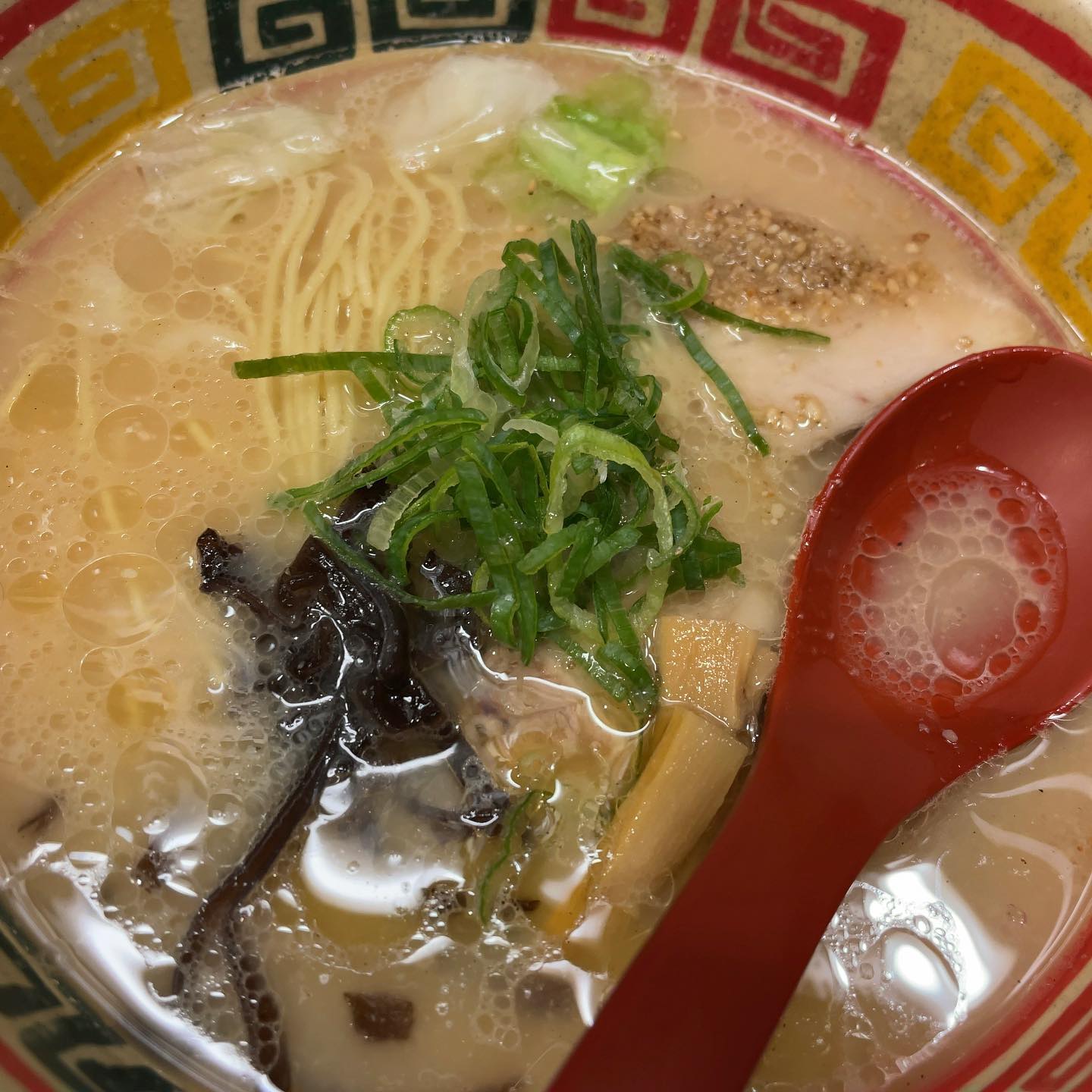
Miso tonkotsu: Kyushu Jangara Akihabara
Best for: Mild tonkotsu with mellow barley-miso sweetness.
Kyushu Jangara Akihabara’s Mugichan adds Kyushu barley miso to a mild tonkotsu soup.
The pork broth gives the bowl body, while the barley miso adds a gentle sweetness without making it feel excessively heavy.
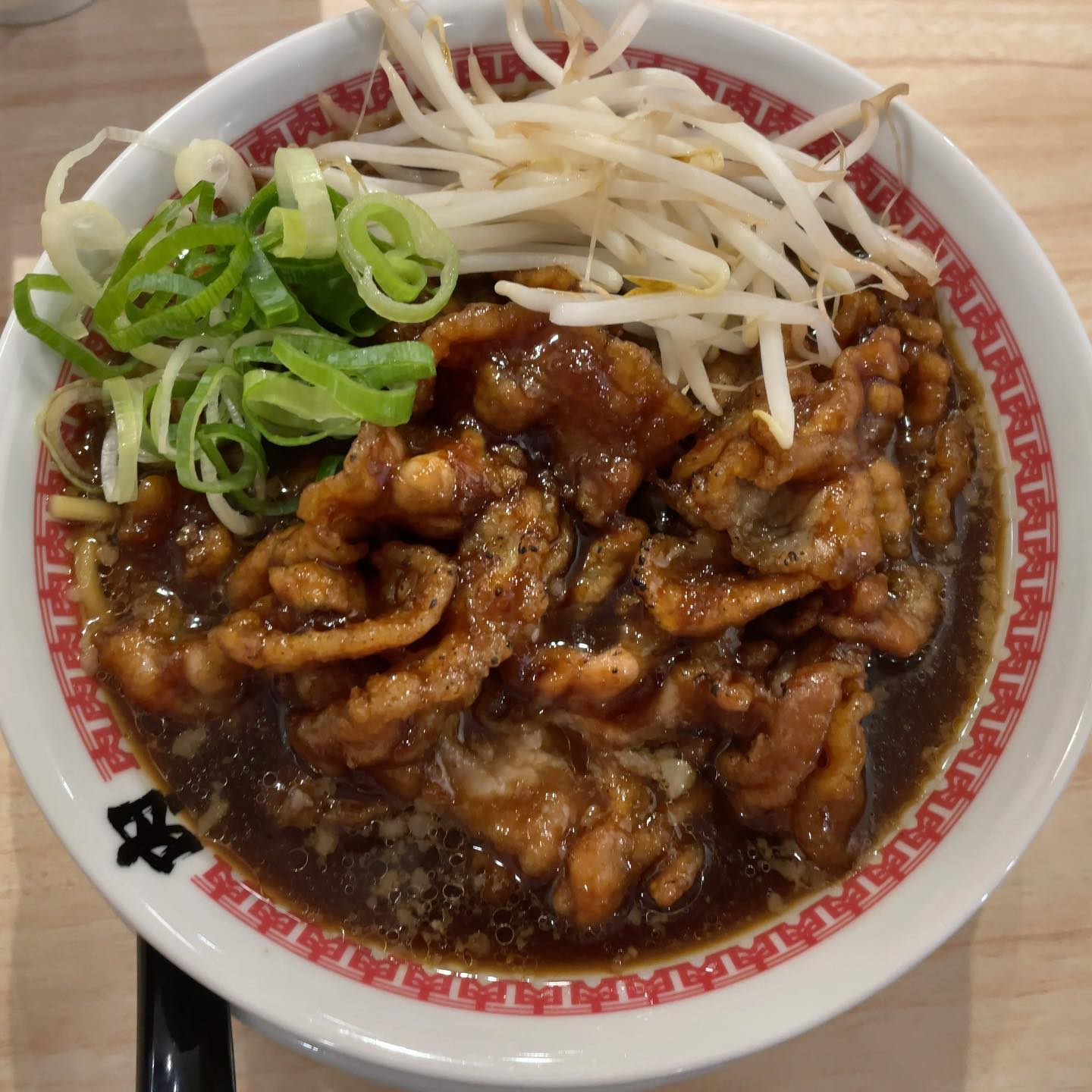
Meat-forward: Nikujiru Men Susumu Akihabara Main Store
Best for: A seriously meat-heavy, sweet-savory bowl.
Nikujiru Men Susumu Akihabara Main Store covers the ramen with a generous amount of pork seasoned with a sweet-savory sauce.
Eating it with raw egg recalls the combination found in Japanese sukiyaki, so it may be especially appealing if you already enjoy that style of flavor.
The soy-based soup has enough savory, meaty depth to stand up to the large amount of pork.
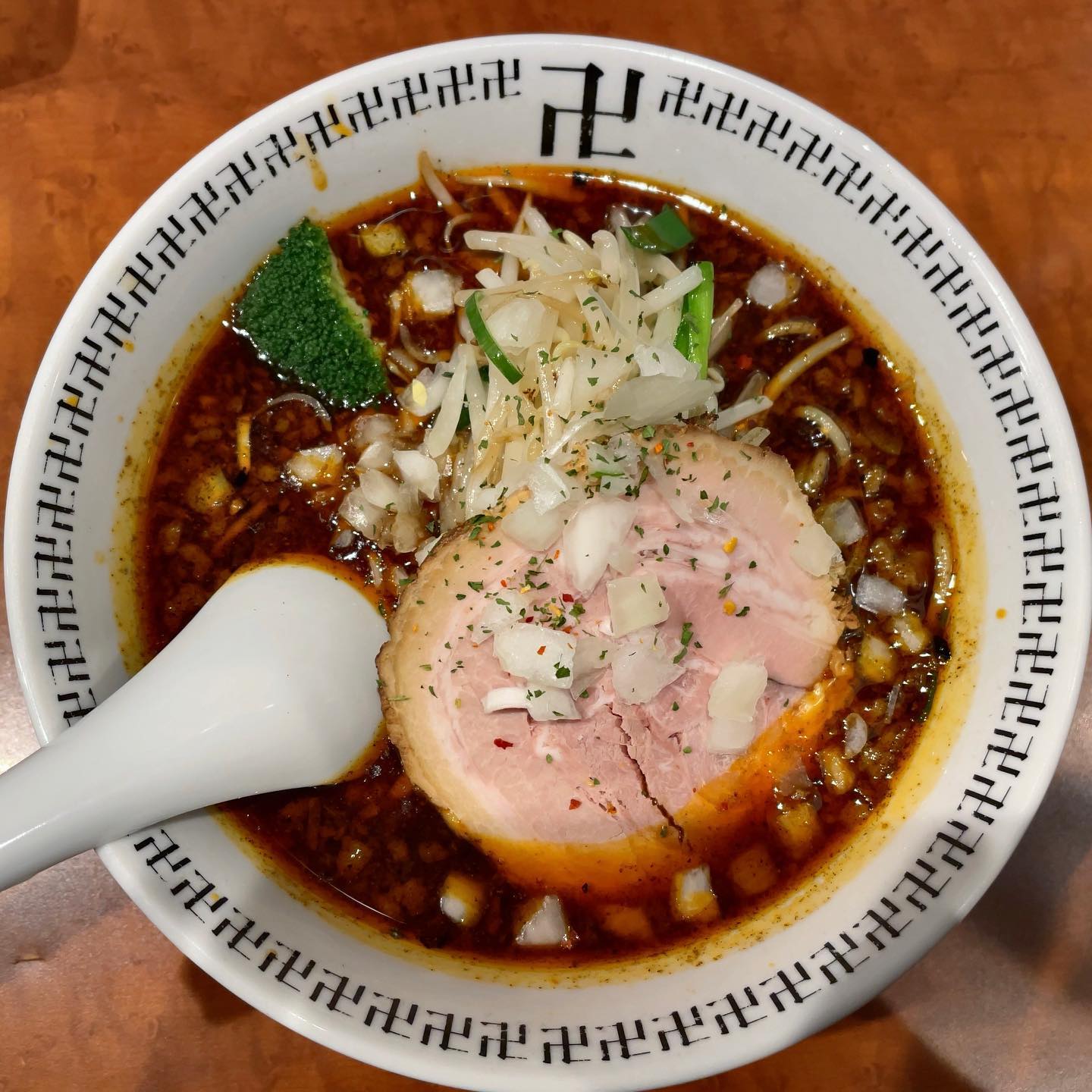
Spice: Spice・Ramen Manriki Akihabara Store
Best for: Aromatic spice and firm, springy noodles.
Spice・Ramen Manriki Akihabara Store builds its bowl around a layered spice aroma rather than heat alone.
You can choose cilantro or green onion; I chose green onion. The heat was moderate, with a curry-like fragrance shaped into a distinctly Japanese ramen bowl.
I especially liked the firm, springy noodles.
Broth and chashu often receive most of the attention in ramen, but discovering how completely the noodles themselves change from shop to shop is one of the pleasures of ramen hopping.
Akihabara culture note: when ramen meets anime
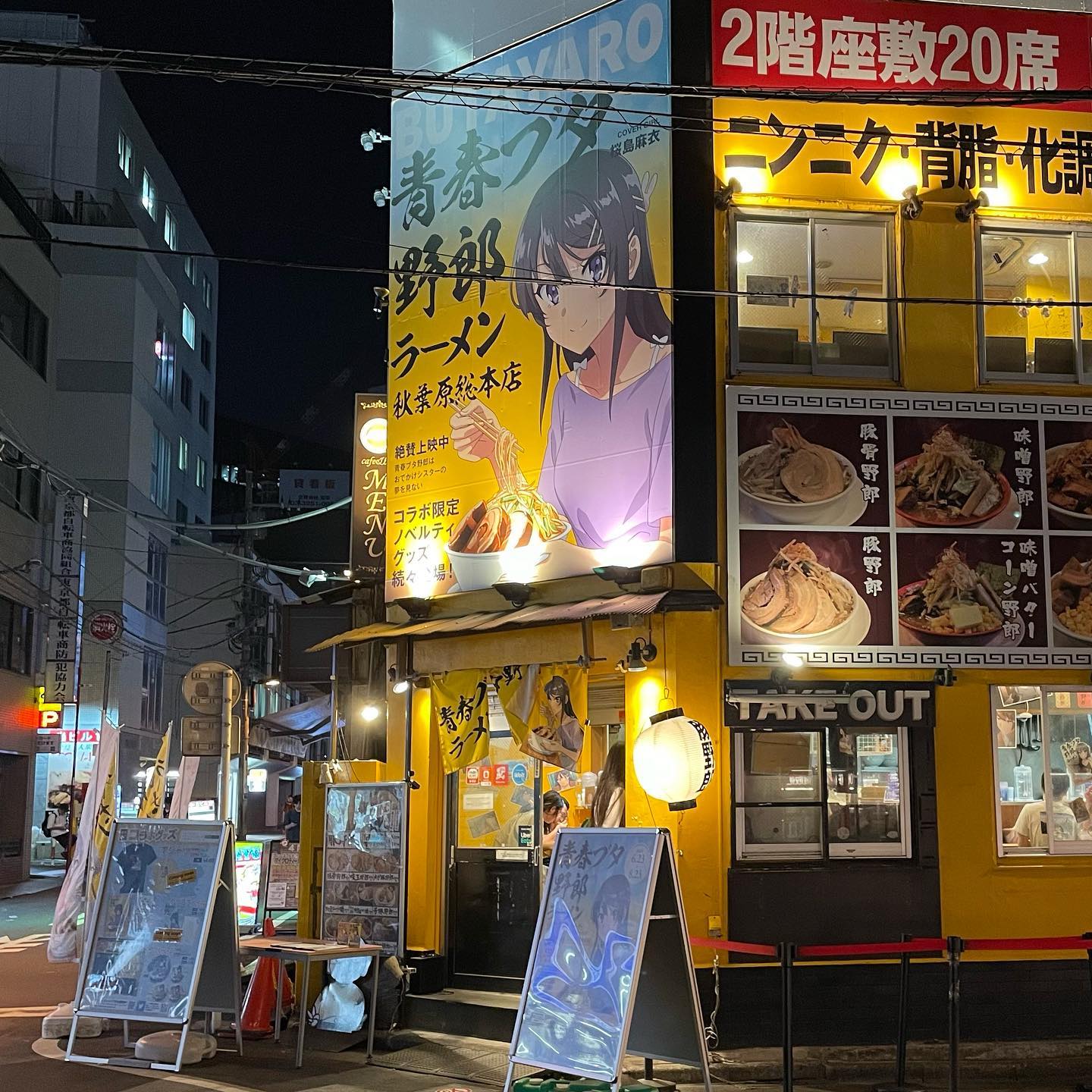
Akihabara’s food scene sometimes overlaps with the anime and character culture surrounding it through temporary collaboration menus and themed restaurant decorations.
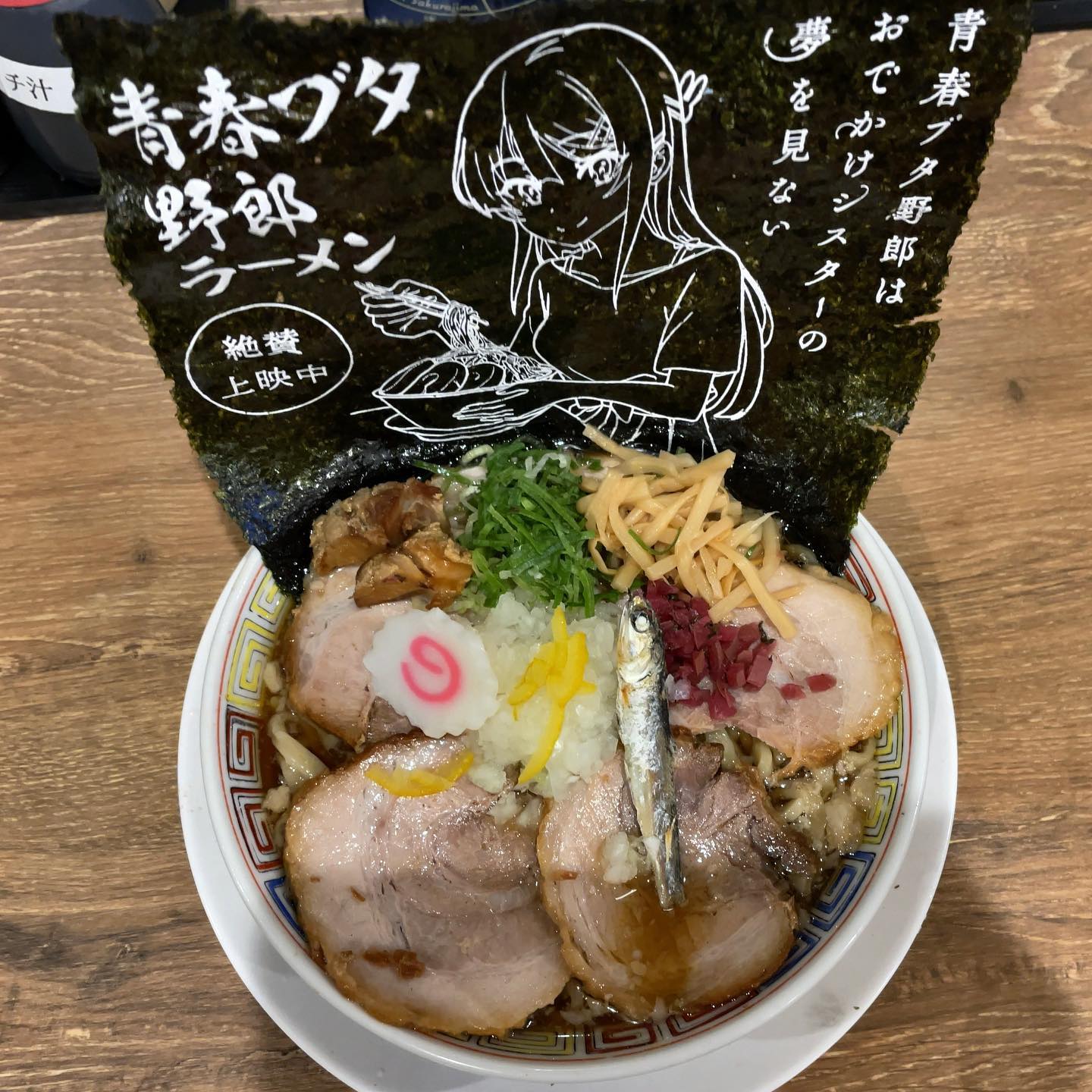
Past collaboration: Yaro Ramen Akihabara-ten
The bowl pictured here came from a collaboration with the Rascal Does Not Dream series. The restaurant’s interior and exterior were fully decorated for the collaboration. [7]
This particular restaurant and menu are no longer available, so I am not including them as a current recommendation. Instead, they are an example of how Akihabara culture can occasionally extend into ramen.
You may come across other limited-time character or anime collaborations during your visit, so it can be worth checking what is happening around Akihabara at the time.
Before you go
Menus, prices, opening hours, ordering procedures, temporary collaborations, and other service details can change.
Before making a special trip to any restaurant in this guide, check the restaurant’s latest official information.
Popular restaurants may also have queues, particularly at busy meal times.
About this guide
Every restaurant recommendation in this guide is based on a meal I personally ate.
Mentecho is not trying to create a definitive ranking of every ramen shop in Akihabara. The goal is to share restaurants I have actually experienced, explain how the bowls differ, and help you choose one that matches what you feel like eating.
No restaurant paid to be included or provided any featured meal free of charge.
References
- Tokyo Convention & Visitors Bureau. A guide to Akihabara — Japan’s pop culture paradise
- Yokohama City Visitors Bureau. Timeline of foods and specialties that originated in Yokohama
- Oudouya. Recruiting information listing IEKEI TOKYO
- Dotonbori Kamukura. About Kamukura
- Nagaoka City. Nagaoka city profile — local ramen is ginger shoyu
- Aomori Prefecture Tourism Information. Tsugaru niboshi ramen
- Yaro Ramen. Official collaboration news archive